FIFA World Cup 2026 Tickets: How to Avoid Resale Scams and Fake Listings
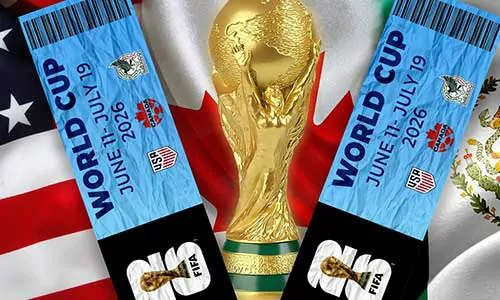
The anticipation is building as millions of football fans worldwide prepare for the historic kickoff of the FIFA World Cup 2026. Co-hosted by Canada, Mexico, and the United States, this tournament promises to be the largest sporting event in history, expanding to feature 48 competing nations across 16 iconic host cities. Consequently, this unprecedented scale has triggered a massive, global surge in ticket demand, with over 150 million requests submitted in initial ticket phases.
Unfortunately, where there is extreme high demand and limited supply, malicious actors and cybercriminals quickly follow. Security agencies and consumer watchdogs have already detected a significant increase in ticket-related fraud. From sophisticated cloned websites to fake social media listings, fans are increasingly being targeted. To ensure you do not lose your hard-earned money or miss out on witnessing history, this detailed guide outlines how to purchase tickets safely and identify common scams.
Table of Contents
- The Landscape of FIFA World Cup 2026 Ticket Scams
- Understanding How Scammers Operate
- Official Methods to Secure FIFA World Cup 2026 Tickets
- Red Flags to Avoid When Buying FIFA World Cup 2026 Resale Tickets
- Comparison: Safe vs. Risky Ticket Buying Platforms
- Step-by-Step Guide to Verifying a Resale Listing Safely
- What to Do If You Fall Victim to a Scam
- Frequently Asked Questions (FAQ)
The Landscape of FIFA World Cup 2026 Ticket Scams
As the countdown to the matches continues, threat intelligence reports have shown a dramatic rise in malicious activities surrounding the FIFA World Cup 2026. Cybercriminals are capitalizing on fans’ anxiety and eagerness to secure seats. According to recent data from cybersecurity firms, thousands of new domains containing World Cup-related keywords have been registered in recent months, with a notable portion identified as malicious.
These fraudulent operations are designed specifically to exploit search engine traffic and social media trends. In order to deceive users, scammers invest heavily in sponsored ads, making their sites appear at the very top of search engine results. Therefore, clicking on the first link you see in search engines can be highly risky.
The “GHOST STADIUM” Threat and Spoofed FIFA Websites
Federal agencies, including the Federal Bureau of Investigation (FBI), have issued urgent warnings regarding highly advanced spoofing campaigns. Cybercriminals are utilizing sophisticated phishing kits—such as those operated under the “GHOST STADIUM” campaign—to build exact replicas of the official FIFA ticketing portal.
These fake websites mimicking the official FIFA World Cup 2026 ticket portal look incredibly legitimate. They load images directly from official databases, use similar layouts, and even replicate single-sign-on (SSO) login pages to steal personal credentials and security passwords. If a fan enters their account details on one of these spoofed pages, the attacker can quickly hijack their actual FIFA account, lock them out, and steal any genuine tickets they might already own.
Understanding How Scammers Operate
In addition to web-based spoofing, peer-to-peer scams on social media networks are thriving. Scammers post tempting listings on platforms like Facebook, Instagram, Reddit, and X (formerly Twitter). Typically, these sellers claim they can no longer attend due to “family emergencies” or “work obligations” to make their story believable.
Furthermore, they create a sense of extreme urgency, warning that multiple other buyers are interested. Consequently, anxious fans bypass standard precautions in order to close the deal quickly. Understanding these psychological tactics is the first step in protecting yourself from losing hundreds or thousands of dollars.
Official Methods to Secure FIFA World Cup 2026 Tickets
For those looking to secure valid FIFA World Cup 2026 entries, the absolute safest and most reliable route is to stick strictly to authorized channels. Utilizing unauthorized secondary markets always carries a level of risk that your ticket may be voided or completely fake.
- The Official FIFA Ticket Portal: All standard ticket applications and general sales are hosted directly on the official FIFA Ticket Portal. This is the primary gateway for all official tickets.
- Official Hospitality Packages: For fans seeking premium match-day experiences with food, beverages, and guaranteed seating, official hospitality packages are available through FIFA’s authorized partner, On Location.
- Authorized Travel Packages: Certain airlines and tour operators, such as Qatar Airways, offer bundled packages that legally include official match tickets alongside flights and hotel accommodation.
Using the FIFA World Cup 2026 Official Resale Marketplace
If you did not manage to secure tickets during the initial random selection draws, you can safely utilize the official FIFA World Cup 2026 Resale and Exchange Marketplace. This platform is built directly into the official ticketing hub.
This marketplace allows fans who can no longer attend to list their tickets for resale at face value. FIFA verifies each transaction, cancels the original digital ticket, and generates a completely new, secure barcode for the new buyer. This remains the only secondary market option that guarantees 100% entry into the stadium.
Third-Party Ticket Platforms and the FIFA World Cup 2026
Many fans turn to established secondary ticket platforms like StubHub, SeatGeek, or Vivid Seats. While these are legitimate business platforms, they are not official FIFA partners.
If you purchase tickets for the FIFA World Cup 2026 from third-party sites, always review their specific buyer protection guarantees. Most reputable platforms offer a money-back guarantee if a ticket turns out to be invalid. However, keep in mind that these platforms cannot issue you a replacement ticket if something goes wrong; they can only offer refunds, potentially leaving you stranded outside the stadium gates.
Red Flags to Avoid When Buying FIFA World Cup 2026 Resale Tickets
To keep your personal details and finances secure, you must remain vigilant when evaluating any resale listing. Scammers rely on specific patterns that are easy to spot once you know what to look for.
- “Paper Tickets” or “PDF Screenshots”: This is a massive red flag. All legitimate FIFA World Cup 2026 tickets are entirely digital and must be delivered through the official FIFA mobile ticketing app. Anyone offering to mail you a paper copy or send a static screenshot of a QR code is trying to scam you.
- Alternative Payment Methods: Scammers frequently demand payment through untraceable methods. If a seller insists on using Venmo, Zelle, CashApp, bank transfers, or cryptocurrency, walk away immediately. Once these funds are sent, they cannot be recovered.
- Non-Standard Website Domains: Take a close look at the URL in your browser. Official ticketing is hosted on domains ending in
.com. Many spoofed sites use variations likefifa.cam,fifa.help, orfiffa.comto trick fast typers. - Sellers Rejecting Direct Verification: If a seller on a peer-to-peer forum refuses to join a quick video call, show proof of their original FIFA purchase confirmation email, or utilize secure payment services, they are highly likely a fraudster.
Comparison: Safe vs. Risky Ticket Buying Platforms
To help you visually assess your options, we have compiled a comparison table of safe, moderate, and highly risky avenues for acquiring tickets.
| Buying Channel | Risk Level | Ticket Legitimacy | Refund Protection |
|---|---|---|---|
| Official FIFA Portal / App | Zero Risk | 100% Guaranteed | Full Protection |
| FIFA Resale Marketplace | Zero Risk | 100% Guaranteed | Full Protection |
| Established Secondary Sites (StubHub, SeatGeek) | Low to Moderate | High (But Unofficial) | Money-Back Guarantee |
| Social Media (Facebook, X, Reddit) | Extremely High | Very Low | None (Unless using PayPal G&S) |
| Street Scalpers / Unverified Forums | Extremely High | Almost Always Fake | None |
Step-by-Step Guide to Verifying a Resale Listing Safely
If you choose to purchase tickets through peer-to-peer communities or local listings, taking careful steps is critical to safeguarding your transaction. Follow this step-by-step verification checklist to minimize your risk of being scammed:
- Inspect the Seller’s Profile: Look for established accounts with long histories and genuine activity. Be incredibly wary of newly created accounts, generic profile pictures, or accounts with very low engagement.
- Verify the URL: Before logging into any portal, verify the domain name in your browser’s address bar. Always type
fifa.comdirectly rather than clicking on external links from emails, ads, or search results. - Request a Video Call: Ask the seller to join a live video call to show you their official FIFA mobile app with the tickets loaded. If they make excuses or refuse, end the transaction immediately.
- Use Secure Payment Portals: Never send money via friends-and-family transfers or wire services. Instead, opt for PayPal Goods and Services (which offers buyer protection) or use a reputable credit card. Credit card companies allow you to dispute unauthorized or fraudulent charges.
- Complete the Transfer Safely: Ensure that the seller transfers the ticket directly to your email address associated with your registered FIFA app account. Do not accept emails containing screenshots of dynamic QR codes.
What to Do If You Fall Victim to a Scam
Despite your best efforts, if you find yourself victimized by a ticket scammer, you must take swift action in order to mitigate the damage. Consequently, acting quickly can sometimes help you recover your funds.
First, immediately contact your bank or credit card company to report the fraudulent transaction. Ask them to initiate a chargeback and freeze your compromised cards to prevent further unauthorized activity. Additionally, report the incident to national consumer protection agencies, such as the Federal Trade Commission (FTC) in the United States, as well as local cybercrime law enforcement portals. Sharing details of the scammer’s bank accounts, phone numbers, and profiles helps block them from targeting other fans.
Frequently Asked Questions (FAQ)
Can I buy official tickets for the FIFA World Cup 2026?
Yes, official tickets can be purchased directly from the official FIFA website (FIFA.com/tickets) during scheduled sales phases. Avoid purchasing from external web search ads, as many link directly to fake cloned portals.
How do I know if my tickets are valid for the FIFA World Cup 2026?
Genuine tickets will only be delivered electronically inside the official FIFA ticketing app. If someone offers you a printed paper ticket, an email with a PDF, or a photo screenshot of a ticket, it is highly likely invalid or a fake listing.
What is the risk of getting scammed when looking for FIFA World Cup 2026 tickets?
The risk is exceptionally high due to the historic demand and the massive wave of malicious websites targeting fans. Over 13,000 new domains have been registered for this event, with nearly 9% identified as suspicious or malicious. Stick strictly to verified platforms to stay safe.
Is it safe to buy resale tickets on platforms like StubHub or SeatGeek?
While these established third-party platforms are legitimate and offer money-back guarantees, they are not official FIFA partners. FIFA does not guarantee access for tickets purchased via unauthorized third parties, meaning you assume some risk of being turned away at the stadium.
What payment methods should I use to avoid getting scammed?
Always complete transactions using a credit card or secure payment services like PayPal Goods and Services. Never use debit cards, wire transfers, Zelle, Venmo, Chime, or cryptocurrency, as these offer absolutely no buyer protection.
What should I do if my FIFA account login was stolen?
If you accidentally logged into a spoofed website and believe your credentials have been stolen, try to immediately log into the real FIFA.com portal to change your password. If you are already locked out, contact FIFA customer support immediately to recover your account and secure your tickets.
Conclusion
Attending the historic matches in Canada, Mexico, or the United States is a dream for millions of fans. However, don’t let the excitement of the FIFA World Cup 2026 cloud your judgment. Cybercriminals and scammers are actively seeking to exploit eager buyers through fake listings, typo-squatting, and malicious phishing sites.
By purchasing strictly through official channels, double-checking website URLs, refusing untraceable payment requests, and utilizing secure digital apps, you can safely secure your match entry. Stay safe, stay alert, and prepare to enjoy the beautiful game with peace of mind.
Have you spotted a suspicious World Cup ticket listing or a fake website? Report it immediately to the FTC or your local authorities to help protect fellow football fans worldwide!