World Cup 2026 Group Stage Ticket Prices: Expected Costs and Categories
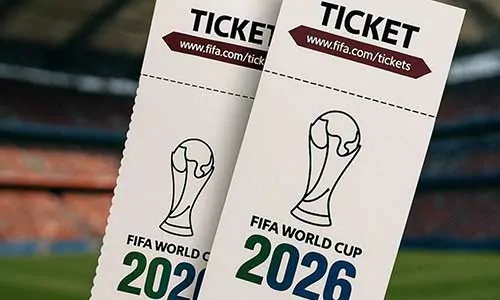
Navigating the complex ticketing framework can be overwhelming. Therefore, this comprehensive guide is designed to break down everything you need to know about group stage ticket pricing, seating classifications, and hidden costs. By understanding how the pricing tiers work, you can maximize your chances of securing tickets without overstretching your travel budget.
Table of Contents
- A New Era of Ticketing: The FIFA World Cup 2026 Overview
- Analyzing Ticket Categories for the FIFA World Cup 2026
- Expected Costs for the FIFA World Cup 2026 Group Stage Matches
- Understanding Dynamic Pricing in the FIFA World Cup 2026
- The Resale Market for FIFA World Cup 2026 Tickets
- Smart Budgeting Tips for the FIFA World Cup 2026
- Conclusion and Next Steps
- Frequently Asked Questions (FAQ)
A New Era of Ticketing: The FIFA World Cup 2026 Overview
Attending a World Cup is a bucket-list event for millions. However, this edition of the FIFA World Cup 2026 is set to break attendance and pricing records alike. Hosting 104 matches across 16 different cities creates immense logistics challenges. Consequently, ticketing strategies must balance local economic conditions with global demand. Furthermore, because matches are spread across three massive countries, your ticket cost is heavily influenced by the host city and travel distances.
Additionally, ticketing models have evolved significantly since the 2022 tournament in Qatar. The North American market is highly accustomed to high-ticket-value events, which makes the FIFA World Cup 2026 uniquely expensive compared to previous iterations. Understanding the system early gives you a strategic advantage when the ticketing portals reopen or when exploring secondary markets.
Analyzing Ticket Categories for the FIFA World Cup 2026
When applying for tickets on the official FIFA platform, fans will notice that seats are divided into distinct categories. These categories correspond to specific viewing angles, comfort, and stadium levels. Additionally, dedicated options exist for local supporters and those requiring physical accommodations.
To help you decide which tier matches your budget and viewing preferences, here is a detailed breakdown of the options available:
- Category 1 (Cat 1): These represent the premium seats in the stadium. Typically located along the main sidelines and lower bowls, Category 1 offers the most unobstructed, close-up views of the pitch. Naturally, they carry the highest price tag.
- Category 2 (Cat 2): Situated slightly off-center, Category 2 tickets cover corner areas and higher mid-tier seating. They offer a fantastic compromise between high-quality views and moderately reduced pricing.
- Category 3 (Cat 3): Usually located behind the goals or in the upper corners of the stadium. While the view is further from the action, Category 3 represents the standard entry-level pricing for the general public, making them incredibly popular for budget-conscious families.
- Supporter Entry & Value Tiers: A highly welcomed addition introduced for the FIFA World Cup 2026 is the Supporter Entry Tier. Priced at a fixed rate of USD $60, these are allocated through qualified national football federations specifically for loyal traveling fans. They are designed to keep the tournament accessible to passionate supporters.
- Accessibility Seating: FIFA provides dedicated wheelchair user and easy-access seats across all venues. These tickets are priced at the cheapest available rate (equivalent to Category 3 or Supporter Tier pricing) and include a complimentary companion ticket.
Expected Costs for the FIFA World Cup 2026 Group Stage Matches
The cost of attending a group stage match varies wildly depending on who is playing. FIFA distinguishes between “standard neutral matches” (e.g., a group match between two visiting nations) and “host nation matches” featuring the United States, Canada, or Mexico. Because of local home-crowd demand, host nation matches carry a massive premium.
The table below outlines the official expected direct face-value ticket prices for the FIFA World Cup 2026 group stage, based on official ticket sales releases. Keep in mind that these prices exclude booking fees.
| Ticket Category | Seating Description | Neutral Group Match Price (USD) | Host Nation Group Match (USD) |
|---|---|---|---|
| Category 1 | Midfield, Lower Bowl, Prime Sidelines | $700 – $1,200 | $1,500 – $2,735 |
| Category 2 | Corners, Mid-Tier Stadium Ring | $500 – $900 | $1,100 – $1,800 |
| Category 3 | Behind Goals, Upper Corners | $120 – $200 | $400 – $700 |
| Supporter Entry Tier | Active Fan Zones (Federation Only) | $60* | $60* |
| Accessibility | Wheelchair & Companion Seating | $60 – $120 | $60 – $400 |
Note: *The Supporter Entry Tier at USD $60 is strictly allocated to qualified members of participating national teams’ supporters’ groups and is not open to general public lottery phases. Furthermore, a standard 15% booking fee applies to all direct face-value ticket purchases.
Understanding Dynamic Pricing in the FIFA World Cup 2026
One of the most talked-about elements of the ticketing strategy is the implementation of variable ticket values. Indeed, the ticketing model for the FIFA World Cup 2026 relies on dynamic pricing. This means that prices fluctuate in real-time based on local demand, market trends, participating team rankings, and the sales phase. Therefore, buying your tickets early during initial random selection draws is almost always cheaper than waiting until closer to the tournament kickoff.
On the other hand, dynamic pricing ensures that matches with slightly lower demand remain affordable for general fans. For example, a group stage clash between two emerging nations might see ticket prices drop to the lower end of the Category 3 spectrum. In contrast, blockbusters featuring powerhouse countries like Brazil, Argentina, or England will trigger rapid price increases on secondary markets. Because the high ticket demand for the FIFA World Cup 2026 has hit record numbers, being strategic about which matches you apply for is highly critical.
The Resale Market for FIFA World Cup 2026 Tickets
If you missed out on the initial lottery draw, do not lose hope. The official resale platform for the FIFA World Cup 2026 ensures that fans can buy and sell unwanted tickets securely at face value. This safe portal is crucial because it protects users from massive scalping markups and fraudulent listings. We highly recommend sticking exclusively to official platforms to protect your funds.
Unfortunately, ticket scams during the FIFA World Cup 2026 are highly likely to target desperate fans on social media and unauthorized secondary classifieds. Platforms like StubHub, SeatGeek, and Viagogo will carry listings, but they are often subject to massive price inflations—sometimes reaching over 500% of the original face value. If you do choose to purchase tickets from secondary resellers, always verify the transfer policies and look out for hidden platform service fees that can add hundreds of dollars to your final order.
Smart Budgeting Tips for the FIFA World Cup 2026
Planning to attend the FIFA World Cup 2026 requires more than just buying a ticket; it requires a realistic financial strategy. Since matches are spread across large geographic areas, transportation and accommodation can easily dwarf the cost of the actual match ticket. Here are some smart tips to optimize your budget:
- Leverage National Federations: If you are a member of an official supporters’ club, ensure you apply through their designated allocation pool to access the fixed $60 Supporter Entry tickets.
- Target Larger Stadiums: Host cities with massive stadium capacities, such as Atlanta (Mercedes-Benz Stadium) or Dallas (AT&T Stadium), offer a larger supply of seats, which can occasionally stabilize ticket prices.
- Calculate Hidden Fees: Remember to budget for the standard 15% booking fees associated with FIFA World Cup 2026 ticket purchases, as well as local stadium parking and concession costs.
- Focus on Under-the-Radar Fixtures: If you simply want to experience the World Cup atmosphere, target neutral group stage matches featuring lesser-known teams, where Category 3 tickets are easier to secure.
- Book Travel and Commutes Strategically: Instead of flying extensively between three countries, try to focus your trip on a specific region—such as the US West Coast, the Northeast, or Central Mexico—to dramatically cut down on internal travel expenses.
Conclusion and Next Steps
Attending the group stage of the tournament is a truly magical experience. With 48 nations competing across North America, the scale of this event is unmatched. However, because ticket prices are the most expensive in sporting history, being prepared is your best tool for success. By understanding the distinction between Category 1, 2, and 3 tickets, and planning your budget around the dynamic pricing model, you can experience the match of your dreams without breaking the bank.
To avoid disappointment, make sure to keep a close eye on the official FIFA Ticketing Portal. Keep checking for the opening of late-minute resale phases, prepare your accommodation early, and get ready to be part of the historic FIFA World Cup 2026!
Frequently Asked Questions (FAQ)
How much are the cheapest tickets for the FIFA World Cup 2026?
The most affordable options are the Supporter Entry Tier tickets, which are set at a fixed price of USD $60. For the general public lottery, standard Category 3 tickets for neutral group stage matches start at around USD $120, plus booking fees.
What is the difference between Category 1 and Category 3 tickets?
Category 1 tickets are premium seats located in the lower bowl and midfield sidelines, offering the best views. Category 3 tickets are positioned in the upper bowls or behind the goals, making them further away but significantly cheaper.
Why are the host nation matches so much more expensive?
Matches featuring the USA, Canada, or Mexico experience extreme local demand. Under FIFA’s pricing model, host nation group stage tickets cost significantly more, with Category 1 seats ranging up to $2,735.
Where can I buy official FIFA World Cup 2026 tickets?
You should purchase tickets exclusively through the official FIFA Ticketing Portal. Buying from unauthorized secondary markets exposes you to scams and invalid entry at the gates.
What does dynamic pricing mean for my ticket purchase?
Dynamic pricing means that ticket values fluctuate based on demand, team popularity, and remaining supply. Applying during early random selection draws secures you the base face-value price before these market fluctuations take effect.
Are there additional fees for the FIFA World Cup 2026 tickets?
Yes. A standard booking and administrative fee of approximately 15% is added to the face value of all tickets purchased directly through the official ticketing portal.