Best FIFA World Cup 2026 Host Cities Ranked for Football Fans
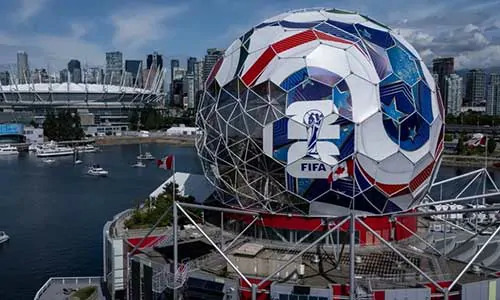
The wait is finally over. The FIFA World Cup 2026 is set to be the largest, most expansive, and most diverse tournament in football history. Spanning three massive nations—the United States, Canada, and Mexico—this historic edition will feature 48 teams competing across 16 iconic host venues. For football fans planning their ultimate travel journey, choosing which cities to visit is a highly critical decision.
Not all tournament destinations offer the exact same experience. While some places boast deep footballing history and unmatched local passion, others excel in terms of modern transit networks, diverse entertainment, or legendary tourist attractions. In this comprehensive guide, we rank all 16 host cities of the FIFA World Cup 2026 to help you plan an unforgettable football adventure.
Table of Contents
Our Methodology: How We Ranked the FIFA World Cup 2026 Host Cities
To create a balanced and realistic ranking for international and domestic supporters, we evaluated each host city across five fundamental categories:
- Football Culture & Atmosphere: The local community’s passion for the sport and historical connection to football.
- Stadium Quality: The design, capacity, sightlines, and technological advancements of the chosen venue.
- Public Transit & Accessibility: How easily fans can move between the airport, city center, fan zones, and the stadium.
- Tourist Appeal & Vibe: Local dining, nightlife, cultural landmarks, and overall hospitality.
- Affordability: Relative costs of lodging, transport, and food during major event periods.
By blending these essential factors, we hope to provide a practical outlook tailored specifically to what traveling fans care about most during the tournament.
Ultimate Host City Rankings: From 1 to 16
1. Mexico City, Mexico
Mexico City sits firmly at the top of our ranking. The capital is home to the legendary Estadio Azteca, a cathedral of world football that has hosted two historical World Cup finals. The city lives and breathes football, offering an electric street-level atmosphere that few places globally can match.
Furthermore, the culinary scene, rich historical landmarks, and highly affordable cost of living make it an exceptional destination. Public transit can be crowded, but the sheer passion of local supporters more than compensates. It is easily a top priority when planning for the FIFA World Cup 2026.
2. New York / New Jersey, USA
Selected to host the highly anticipated tournament final, the New York/New Jersey region offers unmatched global appeal. MetLife Stadium will serve as a major focal point of the FIFA World Cup 2026, drawing hundreds of thousands of diverse international fans to the East Coast.
In addition to the match action, visitors have access to world-class dining, Broadway shows, and endless sightseeing. While transit to the stadium in East Rutherford can occasionally experience delays, the region’s vast rail infrastructure makes navigating without a rental car highly feasible.
3. Los Angeles, USA
Los Angeles is a city built on glamour, entertainment, and major sporting events. SoFi Stadium is a marvel of modern architecture, featuring an iconic translucent canopy and a massive dual-sided video board. The stadium setup ensures an incredible viewing experience for spectators.
On the other hand, Los Angeles is highly car-dependent, and heavy traffic is an ongoing challenge. Nonetheless, the gorgeous Southern California weather, beautiful beaches, and vibrant cultural neighborhoods make it a highly desirable stop during the summer of 2026.
4. Vancouver, Canada
Vancouver stands out as a scenic masterpiece. BC Place features a state-of-the-art retractable roof and is located directly in the downtown core, allowing fans to walk from their hotels straight to the stadium gates. This seamless urban integration is rare among North American host venues.
In addition, Vancouver is incredibly safe, clean, and pedestrian-friendly. The majestic combination of mountains and ocean views provides a stunning backdrop, making it the highest-ranked Canadian destination for traveling football enthusiasts.
5. Monterrey, Mexico
For supporters seeking breathtaking visuals, Monterrey is a dream location. Estadio BBVA is famous for its stunning backdrop of the Cumbres de Monterrey mountain range. The local passion for football here is intense, driven by two of the biggest clubs in Liga MX.
Consequently, the matchday atmosphere promises to be incredibly loud and colorful. The city also boasts excellent culinary options, specializing in world-class grilled meats, though summer temperatures can get quite high.
6. Seattle, USA
Seattle has long been recognized as one of the premier soccer capitals in the United States. Lumen Field is situated right next to downtown, offering great walkability, excellent transit access, and a design that amplifies crowd noise to deafening levels.
The city’s active fan culture and proximity to stunning natural parks make it a balanced option. Overall, fans visiting the Pacific Northwest will experience a truly authentic football culture coupled with a booming culinary and coffee scene.
7. Miami, USA
Miami is a vibrant, multicultural hub with a massive Latin American population, ensuring a highly energetic atmosphere throughout the tournament. Hard Rock Stadium is a premium venue that regularly hosts major international matches and entertainment events.
While the stadium is located somewhat far from the beaches, the city’s nightlife, diverse culinary options, and coastal energy make it a major tourism magnet. It is a highly appealing, sunny destination for global travelers during the FIFA World Cup 2026.
8. Toronto, Canada
Toronto is one of the most multicultural cities on the planet, meaning nearly every participating country will have a passionate local diaspora cheering them on. BMO Field is undergoing a major expansion to prepare for the tournament, offering an intimate, English-style stadium layout.
The stadium is well-connected by local streetcars and regional transit. Visitors will enjoy the diverse neighborhoods, excellent food markets, and highly welcoming, safe urban environment.
9. Guadalajara, Mexico
As the cultural heart of Mexico, Guadalajara is the birthplace of mariachi and tequila, promising an incredibly festive matchday experience. Estadio Akron is a beautiful, modern arena that features a unique volcano-inspired outer design.
The city offers deep historical heritage and passionate local support. While transit options to the stadium can be somewhat limited, the warm hospitality and rich culture make it a highly rewarding destination for purists of the sport.
10. Atlanta, USA
Atlanta has established itself as an absolute powerhouse of MLS attendance. Mercedes-Benz Stadium is a high-tech wonder featuring a retractable pinwheel roof and exceptionally fan-friendly concession pricing, which keeps food and drink costs very reasonable.
Importantly, the stadium is fully integrated into the city’s MARTA heavy rail network, making it incredibly easy to reach from both the airport and downtown hotels. Atlanta’s rich musical history and southern hospitality add to its solid mid-tier ranking.
11. Dallas, USA
Dallas will host a significant share of matches, including a high-stakes semi-final fixture. AT&T Stadium is an enormous venue with a capacity exceeding 90,000, known for its colossal central video screen and luxury amenities.
However, the stadium is located in Arlington, which is situated roughly 20 miles from both downtown Dallas and Fort Worth. The absolute lack of robust public transit to the venue means fans must rely heavily on rideshares or rental cars, which can lead to high travel costs.
12. Philadelphia, USA
Philadelphia offers rich historic charm and a sports-obsessed local culture. Lincoln Financial Field is a fantastic outdoor stadium with great sightlines and a passionate atmosphere. The stadium complex is easily accessible via the city’s subway network.
In addition, the city’s compact downtown area is highly walkable and filled with historic sites, making it a brilliant educational and cultural stop for international visitors between match days.
13. San Francisco Bay Area, USA
Levi’s Stadium in Santa Clara offers a modern, eco-friendly experience in the heart of Silicon Valley. The Bay Area boasts spectacular sightseeing, from the Golden Gate Bridge to nearby vineyards, and a very diverse local community.
On the other hand, the stadium is located nearly 45 miles south of San Francisco proper. Traveling back and forth can be time-consuming and expensive, which slightly lowers its overall ranking for fans wanting a central city experience.
14. Boston, USA
Boston is a historic, beautiful city with a passionate sports base. However, Gillette Stadium is located in Foxborough, approximately 30 miles southwest of downtown Boston. While commuter trains run on match days, transit options are less frequent than in more urban hosts.
Despite the distance challenge, Boston’s incredible historic walking trails, academic charm, and coastal seafood make it a highly enjoyable base for fans willing to make the journey to the stadium.
15. Houston, USA
Houston is a massive, diverse metropolis known for an incredible international food scene and warm hospitality. NRG Stadium features a retractable roof, ensuring fans stay comfortable and protected from the intense summer heat of Texas.
While the METRORail line connects downtown to the stadium efficiently, Houston’s sprawling layout makes it difficult to explore other parts of the city without a vehicle. Consequently, visitors should plan their accommodation locations carefully.
16. Kansas City, USA
Kansas City rounds out our list. Arrowhead Stadium is legendary for its record-breaking crowd noise and unmatched American tailgating culture, which will offer international fans a truly unique pre-match experience.
However, public transit options to the stadium are highly limited, requiring most fans to drive and park. While the city’s legendary barbecue and jazz heritage are fantastic, the limited transport infrastructure places it at the bottom of this highly competitive list.
Key Statistics & Venue Comparison
To help you compare your options quickly, the table below summarizes key data points for all 16 host cities of the tournament:
| City | Stadium Name | Approx. Capacity | Public Transit to Stadium |
|---|---|---|---|
| Mexico City | Estadio Azteca | 87,500 | Good (Metro / Light Rail) |
| New York / NJ | MetLife Stadium | 82,500 | Moderate to Good (Train) |
| Los Angeles | SoFi Stadium | 70,240 | Moderate (Shuttles / Metro) |
| Vancouver | BC Place | 54,500 | Excellent (Walking / SkyTrain) |
| Monterrey | Estadio BBVA | 53,500 | Moderate (Metro / Bus) |
| Seattle | Lumen Field | 69,000 | Excellent (Walking / Light Rail) |
| Miami | Hard Rock Stadium | 64,767 | Limited (Rideshare / Shuttles) |
| Toronto | BMO Field | 45,000 | Good (Transit / Streetcar) |
| Guadalajara | Estadio Akron | 48,071 | Limited (Bus / Taxi) |
| Atlanta | Mercedes-Benz Stadium | 71,000 | Excellent (MARTA Rail) |
| Dallas | AT&T Stadium | 80,000 | Very Limited (Car Needed) |
| Philadelphia | Lincoln Financial Field | 67,594 | Good (Subway / Rail) |
| San Francisco | Levi’s Stadium | 68,500 | Moderate (CalTrain / VTA) |
| Boston | Gillette Stadium | 65,878 | Limited (Event Train Only) |
| Houston | NRG Stadium | 72,220 | Good (METRORail) |
| Kansas City | Arrowhead Stadium | 76,416 | Very Limited (Car Needed) |
Key Travel Tips for the FIFA World Cup 2026
Planning travel across three massive nations requires careful logistical organization. To maximize your comfort and avoid unexpected issues, consider these practical recommendations:
- Secure Visas Early: Ensure you check entry requirements for the USA, Canada, and Mexico well in advance, as visa processing times can vary significantly between countries.
- Book Accommodation in Advance: Hotel and short-term rental prices will likely surge during the tournament. Secure your lodging as soon as match schedules are finalized.
- Plan for Regional Travel: Distances in North America are immense. Flying is the most practical way to travel between distant host cities, so consider booking regional multi-city flights early.
- Understand Stadium Bag Policies: Most venues in North America enforce strict clear-bag policies. Familiarize yourself with these guidelines before heading to the match.
For official tournament details, ticketing updates, and match schedule releases, visit the official FIFA Website and explore regional travel resources via Visit The USA.
Frequently Asked Questions (FAQ)
1. How many host cities are there for the FIFA World Cup 2026?
There are a total of 16 host cities across the United States, Canada, and Mexico. The United States has 11 host cities, Mexico has 3, and Canada has 2.
2. Where will the FIFA World Cup 2026 final match be played?
The final match of the tournament is scheduled to be played at MetLife Stadium in East Rutherford, New Jersey (representing the New York/New Jersey host region).
3. Which host city has the most historical football stadium?
Mexico City features the most historically significant stadium, Estadio Azteca, which has hosted two legendary World Cup finals in 1970 and 1986.
4. Will fans need separate visas to travel between the US, Canada, and Mexico?
Yes, each of the three host countries has its own separate immigration policies. Traveling fans must ensure they meet the specific entry and visa requirements for each country they plan to visit.
5. Which host cities have the best public transit options directly to their stadiums?
Vancouver (BC Place), Seattle (Lumen Field), and Atlanta (Mercedes-Benz Stadium) offer some of the most accessible and highly rated transit connections directly to their stadium gates.
6. How can fans purchase tickets for the matches?
Official tickets are sold exclusively through the FIFA portal. Fans should register their interest directly on FIFA’s official website to receive updates regarding ticket sales phases and draws.
Choosing the right cities can elevate your tournament experience from a standard trip to a lifelong memory. Whether you prioritize historical football culture in Mexico City, scenic walks in Vancouver, or the high-tech energy of Los Angeles, the FIFA World Cup 2026 offers something truly unique for every type of supporter.
Are you ready to join the global celebration? Start mapping out your itinerary, booking flights, and preparing for the grandest football tournament the world has ever seen!