Comparing FIFA World Cup 2026 Stadiums: Facilities, Capacity and Fan Experience
The anticipation is reaching a fever pitch as global football fans prepare for the historic FIFA World Cup 2026. For the first time in history, the tournament will span three host nations—the United States, Mexico, and Canada—bringing a massive expansion to 48 competing teams. Consequently, this tournament is set to be the largest and most diverse sporting event ever organized.
With 16 world-class host cities and 104 matches, selecting where to watch the games is a thrilling challenge for supporters. Each venue offers a distinct combination of modern architecture, cultural flavor, and state-of-the-art facilities. In this comprehensive guide, we will compare these magnificent arenas, analyzing their capacities, key facilities, and what the fan experience will look like on the ground.
Table of Contents
- The Unprecedented Scale of the FIFA World Cup 2026
- United States Venues for the FIFA World Cup 2026
- Mexico Venues for the FIFA World Cup 2026
- Canada Venues for the FIFA World Cup 2026
- Stadium Facilities & Capacity Comparison Table
- Analyzing the Fan Experience Across Host Cities
- Frequently Asked Questions (FAQ)
The Unprecedented Scale of the FIFA World Cup 2026
Moving from a 32-team format to a 48-team roster requires extraordinary logistical capabilities. To accommodate this growth, organizers selected 16 highly advanced stadiums across North America. To meet strict international requirements, many of these venues have undergone significant renovations to optimize pitch sizes, improve grass quality, and expand VIP hospitality suites.
Furthermore, the geographic footprint of this tournament is massive. Teams and fans will travel across multiple time zones, experiencing varying climates, altitudes, and stadium styles. Therefore, understanding the distinct profile of each arena is crucial for anyone planning to attend this monumental global event.
United States Venues for the FIFA World Cup 2026
As the primary host country, the United States will feature eleven stunning venues for the FIFA World Cup 2026. Most of these structures regularly host National Football League (NFL) games, meaning they are built to handle massive crowds with advanced crowd-control systems and premium entertainment options.
MetLife Stadium (New York/New Jersey): The FIFA World Cup 2026 Final Host
Located in East Rutherford, New Jersey, just outside Manhattan, MetLife Stadium has been chosen to host the highly coveted final match. With a massive capacity of approximately 82,500, it is an open-air giants’ playground that features state-of-the-art technology and exceptional sightlines.
In terms of facilities, MetLife Stadium boasts over 200 luxury suites and expansive outdoor plaza spaces. On the other hand, the local climate in July can be warm and humid, meaning fans should prepare for open-air summer conditions. Public transportation connects the stadium directly to the heart of New York City, making it a highly accessible hub for international tourists.
AT&T Stadium (Dallas)
Affectionately known as “Jerry World,” AT&T Stadium in Arlington, Texas, is one of the most technologically advanced sports structures in the world. It features a retractable roof and a colossal center-hung high-definition television screen that stretches from one 20-yard line to the other, ensuring fans never miss a second of the action.
With an expandable capacity reaching over 94,000 for soccer matches, the atmosphere here is bound to be electric. In addition, the climate-controlled indoor environment provides a welcome relief from the scorching Texas summer heat, offering an exceptionally comfortable environment for families and premium ticket holders.
SoFi Stadium (Los Angeles)
SoFi Stadium represents the pinnacle of modern architectural marvels for the FIFA World Cup 2026. Situated in Inglewood, California, this indoor-outdoor arena features a translucent canopy and the revolutionary double-sided 4K Infinity Screen, which hangs elegantly over the field of play.
While the stadium’s official soccer capacity is around 70,240, its unique design creates an intimate feel. Additionally, the surrounding Hollywood Park offers beautiful parks and dining spots. However, fans should note that public transit in Los Angeles can be complex, making ride-sharing and early travel planning essential for match days.
Mercedes-Benz Stadium (Atlanta)
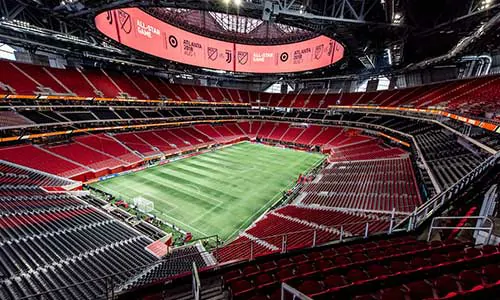
Located in the heart of downtown Atlanta, Georgia, Mercedes-Benz Stadium is famous for its unique pinwheel-style retractable roof and a massive 360-degree halo video board. It has a capacity of around 71,000 and is internationally recognized for its commitment to sustainability, holding a LEED Platinum certification.
The fan experience here is widely regarded as one of the best in North America, largely due to its fan-first pricing, which keeps food and beverage options affordable. Furthermore, the stadium is highly walkable from nearby historic attractions and public transit lines, reducing the stress of match-day travel.
Lumen Field (Seattle)
Lumen Field in Seattle, Washington, is legendary for its unique architectural acoustics. Designed specifically to trap sound, it is widely considered one of the loudest outdoor venues on the continent, which will undoubtedly create an intimidating atmosphere for visiting teams.
With a capacity of roughly 69,000, it offers beautiful views of the Seattle skyline and the historic Puget Sound. The stadium is also known for serving high-quality, locally sourced Pacific Northwest culinary options, including fresh seafood and local craft beers, elevating the match-day experience.
Arrowhead Stadium (Kansas City)
Arrowhead Stadium in Kansas City, Missouri, is a historic venue deeply loved by local sports fans. Holding the Guinness World Record for the loudest outdoor stadium roar, this open-bowl structure offers an exceptionally passionate environment for global soccer matches.
With a capacity of 76,416, it is highly optimized for traditional tailgating. Fans traveling to Kansas City can expect a warm Midwestern welcome and legendary barbecue selections. Because it is located slightly away from the downtown core, renting a vehicle or booking shuttle services is highly recommended.
Hard Rock Stadium (Miami)
Hard Rock Stadium in Miami Gardens, Florida, has a long history of hosting major global events, including the Super Bowl and international soccer friendlies. It features an open-air design with a massive canopy roof that shades about 90% of the 64,767 seats, protecting spectators from unpredictable Florida rain showers.
The fan experience in Miami is naturally vibrant, multicultural, and energetic. The stadium’s luxury clubs and art-adorned concourses reflect the city’s colorful lifestyle. As a result, it serves as a bridge for fans traveling from Latin America and the Caribbean, making for highly celebratory match days.
NRG Stadium (Houston)
Houston’s NRG Stadium is another premium Texas venue featuring a retractable roof and fully climate-controlled interior spaces. It seats approximately 72,220 fans and is highly experienced in hosting major international tournaments, such as the Copa América.
Its facilities include excellent field-level club seating and expansive concourses. Consequently, fans can comfortably enjoy matches without worrying about the intense southern heat. The local area also features a highly diverse culinary scene, offering everything from authentic Tex-Mex to incredible international cuisines.
Gillette Stadium (Boston)
Situated in Foxborough, Massachusetts, Gillette Stadium has served as a cornerstone of New England sports for decades. Ahead of the tournament, the venue received major upgrades, including a newly designed north end-zone, an iconic lighthouse structure, and the largest outdoor curved stadium video board in the country.
With a capacity of 63,815, Gillette Stadium offers a scenic, forest-surrounded open-air setting. While it sits about 30 miles outside downtown Boston, special event trains are typically organized to transport fans directly from Boston’s South Station to the Patriot Place shopping and dining complex located right next to the gates.
Lincoln Financial Field (Philadelphia)
Lincoln Financial Field, affectionately known as “The Linc,” is located in Philadelphia, Pennsylvania. It features a modern, eco-friendly design powered by 100% clean energy via on-site solar panels and wind turbines, making it a proud representative of sustainable sports architecture.
With a capacity of 67,594, its open sightlines ensure that every seat offers an unobstructed view of the pitch. Furthermore, its location within the South Philadelphia Sports Complex makes it incredibly accessible via the city’s broad street subway line, allowing fans to easily explore Philadelphia’s historic landmarks before kickoff.
Levi’s Stadium (San Francisco Bay Area)
Located in Santa Clara, California, Levi’s Stadium is the high-tech heart of the Silicon Valley region. With a capacity of 68,500, this open-air venue utilizes advanced mobile connectivity, eco-friendly solar terraces, and sustainable food programs, utilizing a rooftop organic garden to source ingredients.
While the stadium is highly modern, fans should keep in mind that the open-air design offers little shade on the eastern side of the bowl. Therefore, bringing sunscreen and sunglasses for afternoon matches is highly advised. Excellent light rail connections link the stadium directly to San Jose and neighboring Bay Area cities.
Mexico Venues for the FIFA World Cup 2026
Mexico’s contribution to the FIFA World Cup 2026 includes three highly passionate, culturally rich stadiums. Mexican soccer fans are famous worldwide for their unmatched enthusiasm, and visiting these venues is sure to be a bucket-list experience for any sports lover.
Estadio Azteca (Mexico City)
No stadium in world football holds a legacy quite like Estadio Azteca. Having hosted the final matches of both the 1970 and 1986 World Cups, it is the legendary ground where football icons Pelé and Diego Maradona cemented their legacies. In 2026, it will make history once again as the first stadium to host matches in three separate World Cup tournaments.
With a capacity of approximately 87,523, its sheer size and high altitude (over 2,200 meters above sea level) make matches here incredibly dramatic. The stadium has undergone extensive modernization to meet FIFA’s premium standards while preserving its historic soul. The atmosphere here is guaranteed to be intensely loud and deeply emotional.
Estadio BBVA (Monterrey)
Estadio BBVA, located in Guadalupe, Nuevo León, is often described as one of the most visually stunning stadiums in the world. Known as “The Steel Giant,” its modern cantilevered roof frames a breathtaking view of the iconic Cerro de la Silla mountain, offering an incredible backdrop for live broadcasts.
With a comfortable capacity of 53,500, it features close-to-the-pitch seating that brings fans incredibly close to the action. Its modern facilities, excellent hospitality suites, and efficient crowd management make it a favorite for traveling supporters looking for a mix of natural beauty and top-tier infrastructure.
Estadio Akron (Guadalajara)
Situated in Zapopan, Jalisco, Estadio Akron is a masterpiece of eco-friendly architecture. The exterior of the stadium is designed to resemble a grass-covered volcano, blending seamlessly into the surrounding natural landscape. It seats approximately 48,071 spectators and features a unique interior fabric roof.
Guadalajara is the cultural heartland of Mexico, famous for mariachi music and traditional heritage. Consequently, fans visiting Estadio Akron can expect a highly festive atmosphere filled with local music, fantastic street food, and deep soccer passion from the region’s loyal supporters.
Canada Venues for the FIFA World Cup 2026
Canada is preparing to host its very first men’s tournament matches during the FIFA World Cup 2026. The chosen stadiums are located in vibrant, diverse metropolitan cities, ensuring an inclusive and welcoming environment for supporters from every corner of the globe.
BC Place (Vancouver)
BC Place in Vancouver, British Columbia, is a stunning multi-purpose venue situated directly in the city’s walkable downtown core. It features a state-of-the-art retractable cable-supported roof and a giant center-hung video board that ensures every spectator has a perfect view of the match details.
With a capacity of 54,500, the stadium is highly accessible via Vancouver’s efficient SkyTrain system. Surrounded by the beautiful coastal mountains and the Pacific Ocean, it offers one of the most scenic travel destinations of the entire tournament, perfect for fans who love outdoor recreation and urban exploring.
BMO Field (Toronto)
Located at Exhibition Place in Toronto, Ontario, BMO Field is a dedicated soccer stadium that offers a highly intimate and traditional European-style viewing experience. To prepare for the tournament, the venue is undergoing a major temporary expansion to increase its seating capacity to approximately 45,000.
Despite being the smallest stadium in the lineup, what BMO Field lacks in raw size, it more than makes up for in fan passion. Toronto is one of the most multicultural cities in the world, meaning every match will feel like a home game for the competing nations. The stadium is also well-connected to downtown Toronto via the GO Transit rail system.
Stadium Facilities & Capacity Comparison Table
To help you compare the scale and features of all the host venues, we have compiled a detailed comparison table highlighting their capacities, roof styles, and standout structural elements:
| Stadium Name | Host City & Country | Capacity | Roof Type | Key Highlight |
|---|---|---|---|---|
| MetLife Stadium | New York/NJ, USA | ~82,500 | Open Air | Host of the World Cup Final |
| AT&T Stadium | Dallas, USA | ~94,000 | Retractable | Colossal HD Screen |
| SoFi Stadium | Los Angeles, USA | ~70,240 | Translucent Canopy | 4K Double-Sided Infinity Screen |
| Mercedes-Benz Stadium | Atlanta, USA | ~71,000 | Retractable | Affordable Fan-First Pricing |
| Lumen Field | Seattle, USA | ~69,000 | Partial Canopy | Acclaimed Crowd-Noise Acoustics |
| Arrowhead Stadium | Kansas City, USA | ~76,416 | Open Air | Guinness Crowd Noise Record |
| Hard Rock Stadium | Miami, USA | ~64,767 | Partial Canopy | Vibrant Caribbean Culture |
| NRG Stadium | Houston, USA | ~72,220 | Retractable | Climate-Controlled Comfort |
| Gillette Stadium | Boston, USA | ~63,815 | Open Air | Lighthouse and Patriot Place Complex |
| Lincoln Financial Field | Philadelphia, USA | ~67,594 | Open Air | Powered by 100% Clean Energy |
| Levi’s Stadium | San Francisco, USA | ~68,500 | Open Air | Silicon Valley Tech Integration |
| Estadio Azteca | Mexico City, Mexico | ~87,523 | Open Air | Historic soccer temple |
| Estadio BBVA | Monterrey, Mexico | ~53,500 | Cantilevered Canopy | Stunning Mountain View Backdrops |
| Estadio Akron | Guadalajara, Mexico | ~48,071 | Interior Canopy | Eco-Volcano Aesthetic Design |
| BC Place | Vancouver, Canada | ~54,500 | Retractable Cable | Downtown Waterfront Location |
| Toronto Stadium (BMO) | Toronto, Canada | ~45,000 | Open Air | Intimate Soccer-Specific Seating |
Analyzing the Fan Experience Across Host Cities
While looking at seat numbers is highly helpful, the real magic of attending a match lies in the overall environment. For example, traveling logistics vary immensely. In cities like Vancouver, Philadelphia, and Seattle, the stadiums are located right in or near the city centers, making it easy to walk to restaurants and transit lines.
Conversely, suburban venues such as Gillette Stadium (Boston), MetLife Stadium (New York/New Jersey), or Levi’s Stadium (San Francisco) require dedicated travel planning. Fans will need to rely heavily on organized commuter trains, shuttles, or early ride-sharing services to avoid heavy match-day traffic.
Furthermore, climate is a significant factor to keep in mind. Sitting in climate-controlled venues like AT&T Stadium (Dallas) or NRG Stadium (Houston) offers peace of mind. However, open-air stadiums in Mexico City, Guadalajara, Monterrey, or Miami will expose fans to intense summer heat or sudden rains. Ultimately, preparing for the local weather will be a critical part of ensuring an enjoyable journey.
Frequently Asked Questions (FAQ)
1. What is the largest stadium by capacity in the FIFA World Cup 2026?
AT&T Stadium in Dallas, USA, holds the largest potential capacity for soccer matches, expandable to over 94,000 spectators. Estadio Azteca in Mexico City also boasts a massive capacity of approximately 87,523.
2. Which stadium will host the FIFA World Cup 2026 Final?
MetLife Stadium in East Rutherford, New Jersey (representing New York/New Jersey), has been officially chosen to host the highly anticipated final match of the tournament.
3. How many host countries are participating in the tournament?
The tournament is co-hosted by three countries: the United States, Mexico, and Canada. This represents the first time three nations have jointly hosted the event.
4. Are all the stadiums for the FIFA World Cup 2026 climate-controlled?
No, not all of them. While venues like AT&T Stadium (Dallas) and NRG Stadium (Houston) feature fully retractable roofs and air conditioning, many other host stadiums are completely open-air or have partial shade canopies.
5. Will there be public transportation options available for all stadiums?
Yes, all host cities are developing comprehensive transit plans. However, urban stadiums like BC Place (Vancouver) or Lincoln Financial Field (Philadelphia) are much easier to access via local trains compared to suburban stadiums like Gillette Stadium (Boston), which require regional transit trains or shuttles.
6. How does altitude affect matches at Estadio Azteca in Mexico City?
Estadio Azteca is located at an altitude of over 2,200 meters above sea level. This thin air can cause soccer balls to fly faster and requires players to manage their cardiovascular stamina carefully during matches.
The stadiums prepared for the FIFA World Cup 2026 represent an incredible mix of historic legacies, green engineering, and state-of-the-art technology. Whether you find yourself in the historic stands of Estadio Azteca, under the glowing ring of SoFi Stadium, or admiring the mountain views from Estadio BBVA, you are guaranteed to experience soccer history in the making.
Are you planning to travel for this historic tournament? Which stadium are you most excited to visit? Let us know your thoughts in the comments below, and don’t forget to share this guide with your fellow soccer supporters!