Easiest FIFA World Cup 2026 Host Cities to Travel Between
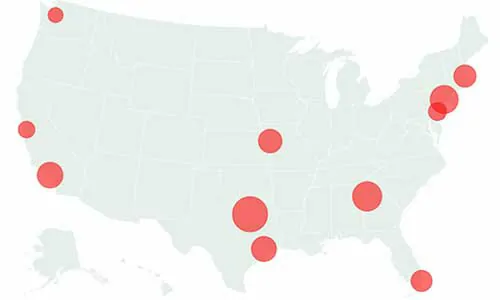
The upcoming FIFA World Cup 2026 is set to be the largest, most ambitious, and most geographically spread-out sporting event in history. Spanning three massive nations—the United States, Canada, and Mexico—the tournament features 48 teams competing across 16 different host cities. While the scale of this tournament promises unparalleled excitement, it also presents a significant logistical challenge for traveling supporters. Planning an efficient itinerary between matches is crucial to avoiding long, exhausting flights that can drain both your energy and your budget. In this guide, we explore the easiest FIFA World Cup 2026 host cities to travel between, highlighting the best regional clusters for seamless transit.
To help you navigate this massive tournament, we have analyzed the host cities based on geographical proximity, transit infrastructure, border crossings, and stadium accessibility. Focusing on localized clusters is the smartest way to maximize your match-day experience without spending half your trip in airport terminal lines. Let us dive into the easiest routes for your tournament journey.
Table of Contents
- Understanding the FIFA World Cup 2026 Travel Regions
- The Eastern Corridor: The Golden Route for Ground Travel
- The Pacific Northwest Cluster: Crossing the Northern Border
- The Texas-Mexico Hub: Short Flights and Fast Transit
- Transit Comparison Table: Distance, Time, and Methods
- Stadium Accessibility: Getting from the Downtown Core to the Pitch
- Crucial Travel Tips for Navigating the Tournament
- Frequently Asked Questions
Understanding the FIFA World Cup 2026 Travel Regions
To minimize travel fatigue for both the teams and the fans, organizers have divided the tournament into three broad regional clusters: East, Central, and West. Despite this helpful structure, some regions are far easier to navigate than others. For example, traveling from Vancouver to Los Angeles in the Western Region is still a multi-hour flight, whereas cities in the East sit much closer together.
When planning your trip for the FIFA World Cup 2026, focusing on a single geographical cluster is highly recommended. By staying within a specific zone, you can utilize ground transportation networks like trains and buses, avoid time-zone adjustments, and drastically reduce your overall travel expenses. Additionally, sticking to regional hubs allows you to experience a diverse array of matches while keeping your travel schedule predictable and relaxing.
On the other hand, attempting a cross-continental route—such as flying from Miami to Vancouver—will easily consume a full day of your trip and subject you to a six-hour flight. Therefore, understanding which host cities pair together naturally is the first step toward a successful tournament itinerary.
The Eastern Corridor: Seamless Ground Travel During the FIFA World Cup 2026
By focusing your FIFA World Cup 2026 itinerary on the Northeast region of the United States, you will experience the absolute easiest transit network of the entire tournament. This corridor contains three premier host cities located exceptionally close to one another: New York/New Jersey, Philadelphia, and Boston.
The Train Route: Boston – New York – Philadelphia
Unlike most of North America, the U.S. Northeast features highly developed passenger rail infrastructure. The Amtrak Northeast Regional and Acela Express trains connect these three cities directly, allowing you to bypass airport security, baggage fees, and traffic congestion. Trains run frequently throughout the day, bringing you directly into downtown city centers.
- New York to Philadelphia: This is the easiest journey of the tournament. The train ride takes only 1 hour and 15 minutes, making it incredibly easy to base yourself in one city and take a day trip to see a match in the other.
- New York to Boston: The journey takes approximately 3.5 to 4 hours on the train, passing through scenic coastal towns. It is a highly reliable alternative to flying.
- Boston to Philadelphia: Taking around 4.5 to 5 hours on Amtrak, this is a smooth, single-seat ride that gives you plenty of time to relax and prepare for the next match.
Alternative Ground Transit: Regional Buses and Driving
If you are looking to save money, a vast network of intercity buses operates along this corridor. Providers like Megabus, Greyhound, and FlixBus offer highly affordable fares between Boston, New York, and Philadelphia. Driving is also a viable option via Interstate 95, though you should prepare for heavy metropolitan traffic and high parking fees near the stadium venues.
The Pacific Northwest Cluster: Crossing Borders During the FIFA World Cup 2026
For supporters looking to witness a cross-border FIFA World Cup 2026 journey, the connection between Seattle in the United States and Vancouver in Canada is incredibly straightforward. Located in the Pacific Northwest, these two stunning cities sit only 140 miles (225 km) apart, making them one of the most natural pairings in the tournament.
The Amtrak Cascades Passenger Train
The Amtrak Cascades is a beautiful, scenic passenger train that runs directly between downtown Seattle (King Street Station) and downtown Vancouver (Pacific Central Station). The journey takes approximately 4 hours, winding along the coastline of the Puget Sound. It features comfortable seating, free Wi-Fi, and a bistro car, making it a highly relaxing way to travel between matches.
Driving and Border Crossings
If you prefer to drive, the trip via Interstate 5 takes roughly 2.5 to 3 hours, depending on border congestion. However, you must carefully plan for the border crossing at the Peace Arch or Pacific Highway entry points. Because thousands of soccer fans will be moving between these cities, expect longer waiting times at immigration checkpoints on match days.
Always ensure you have your passport and any required visas, such as a U.S. visa or a Canadian Electronic Travel Authorization (eTA), ready well in advance of your trip.
The Texas-Mexico Connection: Rapid Flying for the FIFA World Cup 2026
This central cluster is a powerful option for the FIFA World Cup 2026, connecting the deep football culture of Mexico with the massive stadiums of Texas. The core cities in this cluster are Dallas, Houston, and Monterrey.
The Texas Triangle: Dallas to Houston
Dallas (AT&T Stadium) and Houston (NRG Stadium) are located roughly 240 miles apart. Traveling between them is very simple:
- By Car: A straight 3.5 to 4-hour drive down Interstate 45 connects the two metro areas.
- By Air: Dozens of daily commercial flights operate between Dallas (DFW or Love Field) and Houston (IAH or Hobby), with a flight time of just 1 hour.
The Leap to Mexico: Monterrey
Monterrey is the northernmost host city in Mexico and sits remarkably close to Texas. A flight from Houston or Dallas to Monterrey takes just 1 to 1.5 hours. This makes it incredibly easy to experience matches in both the United States and Mexico without enduring exhausting cross-continental travel. Monterrey’s Estadio BBVA offers some of the most breathtaking mountainous backdrops in world football, making this short journey highly rewarding for traveling supporters.
Transit Comparison Table: Distance, Time, and Methods
To help you compare the easiest routes for the FIFA World Cup 2026, we have compiled a quick-reference table detailing distances, average travel times, and recommended modes of transport.
| Route | Approx. Distance | Primary Transit Mode | Average Travel Time | Ease Level |
|---|---|---|---|---|
| New York to Philadelphia | 95 miles (153 km) | Train (Amtrak) | 1h 15m | Excellent |
| Seattle to Vancouver | 140 miles (225 km) | Train / Drive (I-5) | 3h to 4h (varies by border) | Very High |
| New York to Boston | 220 miles (354 km) | Train (Amtrak) / Bus | 3h 30m to 4h 15m | High |
| Dallas to Houston | 240 miles (386 km) | Drive (I-45) / Flight | 1h (flight) or 3.5h (drive) | Moderate |
| Houston to Monterrey | 480 miles (772 km) | Flight | 1h 15m | Moderate |
Stadium Accessibility: Getting from the Downtown Core to the Pitch
Analyzing the distance between host cities is only half the battle. You must also consider how easy it is to get from a city’s downtown core to the actual stadium on match day. In some cities, stadiums are located in suburban areas, which can add hours of transit to your trip.
Highly Accessible Urban Venues
If you prefer walking or using local public transit, look for matches in Vancouver or Seattle. BC Place (Vancouver) and Lumen Field (Seattle) are both located right in their respective downtown centers. You can easily walk to these stadiums from local hotels, restaurants, and transit hubs without needing to figure out complex suburban train schedules. Similarly, Lincoln Financial Field in Philadelphia is connected directly to the city center via a short, straightforward subway line.
Challenging Suburban Stadiums
In contrast, some major venues are located far outside the cities they represent. For example, Gillette Stadium (Boston) is in Foxborough, about 30 miles southwest of Boston. While special commuter trains will run on match days, planning is required to avoid getting stranded. AT&T Stadium (Dallas) is in Arlington, a city notorious for its lack of public transit, meaning you will have to rely on expensive rideshares or rental cars. Keep these micro-transit challenges in mind when selecting your hub.
Crucial Travel Tips for Navigating the Tournament
Planning your transit early is key to avoiding extreme stress. Follow these expert recommendations to guarantee a smooth experience during the tournament:
- Book Train Tickets Early: If you are traveling along the Northeast Corridor, book your Amtrak tickets as soon as they become available. High demand will drive up ticket prices rapidly closer to match days. Please visit the official Amtrak Website for schedules and pricing.
- Secure Multi-Country Visas: If you plan to travel between the US, Canada, and Mexico, ensure you have the correct travel documents for each country. Check requirements early to allow plenty of processing time. Refer to the official FIFA Tournaments Page for regular travel updates.
- Beware of Airport Surge Pricing: Internal flights will experience high demand. Try flying mid-week or on non-match days to secure cheaper airfares.
- Pack Light: Navigating crowded trains, regional buses, and suburban shuttles is significantly easier if you travel with only a carry-on bag. Many stadiums will enforce strict bag policies.
Frequently Asked Questions
Which host cities are the absolute easiest to travel between during the FIFA World Cup 2026?
The absolute easiest host cities to travel between are New York/New Jersey (MetLife Stadium) and Philadelphia (Lincoln Financial Field). They are connected by a direct, highly frequent passenger train route that takes only 1 hour and 15 minutes.
Can I travel between Seattle and Vancouver without flying?
Yes, you can easily travel between Seattle and Vancouver using the scenic Amtrak Cascades train, booking a regional bus, or driving north along Interstate 5. The total travel time is roughly 3 to 4 hours.
Do I need different visas to travel between host countries?
Yes, because the tournament is hosted across three separate sovereign nations, you must meet the entry requirements for each country you visit. This may include a US Visa/ESTA, a Canadian Visa/eTA, and a Mexican tourist registration.
What is the best way to travel between Dallas and Houston?
The fastest way is a short 1-hour flight, but driving down Interstate 45 takes only about 3.5 to 4 hours. Driving is often the more cost-effective option, especially if you are traveling with a group of friends.
Are the stadiums located close to downtown city centers?
It depends on the city. Downtown stadiums like BC Place in Vancouver and Lumen Field in Seattle are exceptionally walkable and easy to access. However, suburban stadiums like Gillette Stadium (Boston) and AT&T Stadium (Dallas) are located far from city centers and require dedicated transit planning.
How can I avoid high travel costs during the tournament?
To keep costs low, focus your itinerary on a single geographic cluster (like the Northeast US), book your train and bus tickets months in advance, and travel on off-peak days to avoid heavy dynamic pricing on flights and hotels.
Conclusion
The FIFA World Cup 2026 will be an unforgettable global celebration of football, but its massive size requires smart, tactical planning. By choosing to travel within easy regional clusters—such as the rapid Northeast train corridor, the scenic Pacific Northwest border route, or the quick hops between Texas and Northern Mexico—you can save money, avoid burnout, and focus entirely on the beautiful game. Start mapping out your journey today, secure your transportation early, and get ready to be part of history!