FIFA World Cup 2026 Dynamic Pricing: Why Ticket Costs Change Over Time
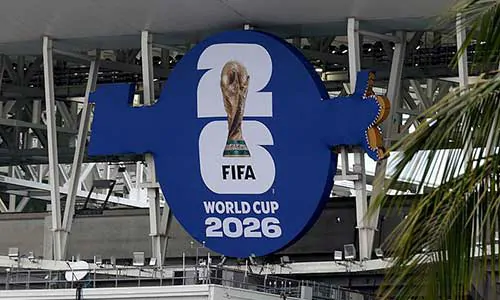
The anticipation is finally reaching a boiling point as the FIFA World Cup 2026 kicks off across North America. For millions of football enthusiasts worldwide, securing a seat inside one of the iconic stadiums in the United States, Canada, or Mexico is the ultimate dream. However, many fans visiting the official ticket portal have noticed a shocking reality: ticket prices are constantly shifting. For the first time in the tournament’s history, ticket acquisition is heavily influenced by demand-based fluctuations, raising many questions about affordability and fairness.
Consequently, understanding how ticketing works for this edition is more critical than ever. In this comprehensive guide, we will dive deep into the mechanics of the FIFA World Cup 2026 ticketing system, explaining why prices change over time, how the secondary market behaves, and how you can still find a way to experience the world’s greatest sporting event without breaking the bank.
Table of Contents
- Understanding the FIFA World Cup 2026 Dynamic Pricing Model
- How FIFA World Cup 2026 Ticketing Differs From Previous Tournaments
- The Core Drivers Behind Ticket Price Fluctuations
- The Impact of “Adaptive Pricing” on National Associations and Families
- Primary vs. Secondary Markets: The Resale Ecosystem
- Expert Tips: How to Find the Most Affordable Tickets Now
- Conclusion & Final Thoughts
- Frequently Asked Questions (FAQs)
Understanding the FIFA World Cup 2026 Dynamic Pricing Model
Historically, sporting governing bodies relied on fixed pricing structures where a seat in a specific category cost the same amount from the day sales launched until the match kicked off. However, the ticketing landscape has undergone a massive transformation. For the FIFA World Cup 2026, organizers have embraced a variable and “adaptive” pricing philosophy to better align ticket costs with real-time market demand.
In simple terms, dynamic pricing is a system where the cost of a ticket fluctuates based on supply and demand, similar to how airlines and hotels price their inventory. When a particular match experiences a massive surge in interest, ticket prices automatically scale upward. Conversely, if demand for a lower-profile group-stage match is weaker, prices may adjust downward or stabilize at their baseline face value to encourage stadium attendance.
Therefore, fans who purchased their tickets during the early random selection draw phases secured them at the absolute lowest baseline rates. As the tournament draws closer and inventory decreases, those buying tickets in the subsequent and last-minute sales windows are facing significantly higher costs. This approach ensures that FIFA captures the true market value of highly coveted matches while attempting to prevent immediate mass-scalping on external platforms.
How FIFA World Cup 2026 Ticketing Differs From Previous Tournaments
If you attended the World Cup in Qatar in 2022 or Russia in 2018, you might remember a straightforward pricing chart. You knew exactly how much a Category 1, 2, 3, or 4 ticket would cost regardless of which teams were playing. The FIFA World Cup 2026 has completely discarded this predictability. The sheer scale of the tournament—comprising 104 matches across 16 host cities in three vast nations—necessitated a highly sophisticated economic approach.
In previous iterations, the primary market was tightly controlled with strict resale rules. This year, because a majority of the matches are hosted in the United States—a market where secondary ticket markets and dynamic pricing are deeply institutionalized through platforms like Ticketmaster and StubHub—the ticketing philosophy naturally evolved. FIFA decided to adapt to the commercial environment of North America, resulting in a system where the “face value” printed on a ticket is often just a starting point.
In addition, the physical structure of the selected venues plays a massive role. Most matches are being played in massive NFL stadiums, which are significantly larger than traditional football-specific stadiums. While this increases the overall seat inventory to over 7 million tickets, it also introduces a highly complex tiering system that directly impacts how tickets are valued and priced over time.
The Core Drivers Behind Ticket Price Fluctuations
Ticket costs do not change at random; rather, they are guided by highly specific algorithms and market behaviors. If you are tracking ticket prices, several major factors will determine whether the cost of your seat will rise or fall as the tournament progresses.
Why Ticket Prices Vary Across Different FIFA World Cup 2026 Host Cities
With 16 host cities spread across Canada, Mexico, and the United States, location is one of the strongest variables driving ticket costs. Metropolitan areas with higher costs of living and larger concentrations of affluent sports fans naturally experience steeper price points. For instance, matches held at MetLife Stadium (New York/New Jersey) or SoFi Stadium (Los Angeles) command a massive premium compared to matches in cities with lower regional travel overhead.
Furthermore, local transport and infrastructure play a major role in the overall fan financial equation. In cities where getting to the stadium is highly complex or heavily surcharged—such as the widely discussed transit fare hikes for matchdays—the overall demand profile shifts. Consequently, the ticket prices themselves adapt to match the localized consumer willingness to pay.
How Match Categories Work Under the FIFA World Cup 2026 Structure
In past tournaments, match categories were strictly determined by the seat’s lateral position relative to the pitch. For the FIFA World Cup 2026, however, categorization is heavily influenced by stadium height. Because NFL stadiums feature massive vertical tiers, Category 4 seats—traditionally the most affordable tier—are often located in the highest, steepest upper decks of the venues.
To give you a clearer picture of how these categories translate into actual costs, let us look at the official face-value starting points compared to the real-world market averages seen during active sales phases:
| Match Type / Stage | Category Tier | Starting Face Value (USD) | Estimated Market Value (USD) |
|---|---|---|---|
| Standard Group Stage (Neutral) | Category 4 (Upper Bowl) | $120 | $150 – $450 |
| Supporter Entry Tier | Federation Registered Fans Only | $60 | N/A (Strictly restricted) |
| Marquee Group Matches (e.g., Host Nations) | Category 1 (Lower Bowl) | $400 – $1,940 | $1,500 – $4,500+ |
| Knockout Rounds (Round of 32 to Semis) | Various Categories | $350 – $3,000+ | $800 – $8,000+ |
| The Grand Final (MetLife Stadium) | Category 1 | Up to $7,875 | $9,200 – $15,000+ |
As the table illustrates, there is a massive gulf between the entry-level pricing meant for local, loyal supporters and the high-end seats targeted at corporate entities and affluent international travelers. This split highlights why many fans feel priced out of marquee games, while lower-profile matches remain relatively accessible.
The Impact of “Adaptive Pricing” on National Associations and Families
The effects of this dynamic pricing model are not only felt by individual fans but also by the participating football federations. Numerous National Football Associations have publicly expressed shock after requesting additional ticket allocations for players’ families, friends, and staff. Under the tournament’s ticketing guidelines, associations were given a tight six-week window after the group stage draw to purchase tickets at a fixed rate.
However, any requests submitted after that initial grace period were subjected to “adaptive pricing.” As a result, several FAs reported that the average cost of securing decent seats for players’ immediate families skyrocketed to nearly $3,000 per ticket. This unexpected surge in overhead has eaten significantly into the tournament funding of smaller nations, demonstrating how deeply market-driven algorithms are impacting even the most close-knit circles of the sport.
Primary vs. Secondary Markets: The Resale Ecosystem
When analyzing why ticket costs change over time, it is vital to separate the primary market (managed directly by FIFA) from the secondary market (independent resale platforms). While FIFA utilizes adaptive pricing on its official portal to adjust costs based on demand phases, the secondary market is a completely different beast, dictated entirely by peer-to-peer speculation.
On FIFA’s official resale platform, a strict mechanism is in place where tickets can be resold safely. However, both the buyer and the seller are hit with a 15% transaction fee. This means FIFA secures a substantial profit margin on every single ticket that changes hands through official channels. While this resale portal is designed to keep prices relatively close to face value, demand has still driven asking prices to jaw-dropping levels.
On the other hand, unregulated secondary platforms in the United States and Canada allow ticket holders to list their seats for whatever astronomical price they choose. For instance, the highly anticipated opening match involving Mexico at the Estadio Azteca saw Category 3 upper-tier tickets—originally priced under $900—listed for over $5,000 on external marketplaces. This price disparity stems from a legal loophole: while Mexican law strictly prohibits ticket scalping above face value, these restrictions are incredibly difficult to enforce when transactions occur on digital servers hosted outside the country and processed in foreign currencies.
Expert Tips: How to Find the Most Affordable Tickets Now
If you have not secured your tickets yet, do not lose hope. While the ticket environment for the FIFA World Cup 2026 is highly volatile, smart buyers can leverage specific trends to find reasonable deals. Here are some proven strategies to help you navigate the fluctuating marketplace:
- Target Neutral, High-Inventory Venues: Massive NFL stadiums have a lot of seat inventory to clear. If you are willing to watch lower-profile neutral matches (for example, teams from smaller confederations playing in large cities), you can often find sellers slashing their prices on resale markets below the original face value just to avoid eating the cost.
- Monitor Last-Minute FIFA Releases: FIFA frequently releases production-hold tickets and unsold hospitality packages back into the general public pool in the days leading up to a match. These are always sold at standard face-value rates rather than secondary market markups.
- Understand the Host Country’s Legal Context: If you are buying in Mexico, remember that local physical reselling is illegal, but online international platforms operate in a legal gray area. Be exceptionally careful with unofficial ticket sources to avoid counterfeit tickets, and always prioritize platforms with robust refund guarantees.
- Watch the Team Group Dynamics: As teams get eliminated or lock in their knockout positions, fan travel plans change overnight. If a major footballing nation unexpectedly exits the tournament early, their fans will flood the resale market with tickets, causing a sudden, steep drop in prices for subsequent rounds.
Conclusion & Final Thoughts
The implementation of dynamic and adaptive pricing for the FIFA World Cup 2026 marks a permanent shift in how major global sporting events are monetized. While this model allows organizers to capture true market demand and maximize tournament revenue, it undoubtedly presents a significant financial challenge for traditional, working-class football supporters.
By understanding how these pricing algorithms work, tracking the primary market phases, and keeping a close eye on secondary market trends as matchdays approach, you can put yourself in the best position to secure a seat. Football is a game of strategy—and navigating the ticketing landscape for this historic tournament requires the exact same approach.
Visit the Official FIFA Tickets Portal
Frequently Asked Questions (FAQs)
Q1: Why are FIFA World Cup 2026 ticket prices changing in real-time?
A: FIFA is using a dynamic and adaptive pricing model for the first time. This system adjusts ticket costs based on real-time consumer demand, stadium inventory, match profiles, and the remaining sales phases, much like airlines or hotel booking systems.
Q2: What is the cheapest ticket price for the FIFA World Cup 2026?
A: The absolute cheapest ticket is the Supporter Entry Tier, priced at $60, but this is strictly reserved for registered fans of qualified national associations. For the general public, standard face-value tickets for neutral group-stage matches started at $120.
Q3: How much do tickets for the World Cup Final cost?
A: Official face-value tickets for the grand final at MetLife Stadium peak at $7,875 for Category 1 seats. On secondary resale markets, due to extreme demand, these tickets are listing from $9,200 to tens of thousands of dollars.
Q4: Is it safe to buy FIFA World Cup 2026 tickets from secondary resale sites?
A: The safest option is to buy directly from the official FIFA resale platform. If you choose to use unofficial secondary websites, make sure you use highly reputable platforms that offer 100% money-back buyer protection guarantees in case of delivery or entry issues.
Q5: Why did National Associations (FAs) complain about ticket pricing?
A: After the post-draw fixed-price window closed, FAs were subjected to “adaptive pricing” for extra tickets. The costs of securing seats for players’ families and friends rose to an average of $3,000 per ticket, draining federation budgets.
Q6: Do ticket prices drop as kickoff gets closer?
A: Yes, for lower-profile or neutral group-stage matches in large stadiums. Sellers who bought tickets to resell often panic and slash prices to avoid losing their entire investment. However, prices for marquee matches and high-stakes knockout games rarely drop.
References: Learn more about official ticketing guidelines and dynamic academic studies on entertainment pricing at the Official FIFA Website and the University of Colorado Boulder (Leeds School of Business).