FIFA World Cup 2026 Stadium Guide: Locations, Capacities and Key Facts
The global sports community is preparing for the highly anticipated FIFA World Cup 2026. This landmark tournament is set to make history as the largest and most diverse edition of the beautiful game ever played. For the first time, three powerful North American nations—the United States, Mexico, and Canada—will join forces to host the grand football festival. Consequently, the tournament will feature forty-eight competing teams and a total of one hundred and four matches, creating an unprecedented spectacle for fans around the globe.
The monumental scale of the FIFA World Cup 2026 requires a massive network of world-class infrastructure. Sixteen majestic stadiums spread across sixteen vibrant host cities have been selected to host the games. Each venue brings a unique architectural aesthetic, rich local sporting culture, and state-of-the-art technology to the table. In this comprehensive guide, we will break down every stadium, exploring their tournament-specific names, capacities, geographic locations, and historical significance.
Table of Contents
- Overview of the FIFA World Cup 2026 Tournament Structure
- At a Glance: Host Stadiums Comparison Table
- United States Venues for the FIFA World Cup 2026
- Mexico Venues for the FIFA World Cup 2026
- Canada Venues for the FIFA World Cup 2026
- Key Pitch and Technical Innovations
- Frequently Asked Questions (FAQs)
Overview of the FIFA World Cup 2026 Tournament Structure
The upcoming tournament marks a departure from traditional single-nation tournaments. With an expanded field of 48 teams, the FIFA World Cup 2026 will distribute matches strategically across the three host nations. The United States will host the majority of the matches, including all fixtures from the quarter-finals onward. Meanwhile, Mexico and Canada will hold key group stage matches and early knockout rounds, giving local fans a front-row seat to world-class action.
To comply with strict commercial and marketing guidelines, FIFA implements a strict “clean stadium” policy. Consequently, fourteen of the sixteen host stadiums will have their corporate naming rights temporarily stripped for the duration of the tournament. Fans will see these historic venues referred to by neutral, city-based designations on all schedules, ticketing portals, and promotional materials. Understanding these name changes is essential for spectators planning their travel logistics. For additional context on how this historical co-hosting arrangement was developed, you can explore the detailed Wikipedia tournament overview.
At a Glance: Host Stadiums of the FIFA World Cup 2026
Below is a comprehensive overview of the sixteen host venues selected for the tournament, showcasing their official tournament names, corporate names, geographic locations, and estimated tournament capacities.
| Tournament Name | Local / Corporate Name | Host City & Country | Tournament Capacity |
|---|---|---|---|
| New York New Jersey Stadium | MetLife Stadium | East Rutherford, USA | 82,500 |
| Dallas Stadium | AT&T Stadium | Arlington, USA | 90,000+ |
| Kansas City Stadium | GEHA Field at Arrowhead | Kansas City, USA | 67,513 |
| Houston Stadium | NRG Stadium | Houston, USA | 68,311 |
| Atlanta Stadium | Mercedes-Benz Stadium | Atlanta, USA | 67,382 |
| Los Angeles Stadium | SoFi Stadium | Inglewood, USA | 69,650 |
| Philadelphia Stadium | Lincoln Financial Field | Philadelphia, USA | 65,827 |
| Seattle Stadium | Lumen Field | Seattle, USA | 65,123 |
| San Francisco Bay Area Stadium | Levi’s Stadium | Santa Clara, USA | 69,391 |
| Boston Stadium | Gillette Stadium | Foxborough, USA | 63,815 |
| Miami Stadium | Hard Rock Stadium | Miami Gardens, USA | 64,091 |
| Mexico City Stadium | Estadio Azteca | Mexico City, Mexico | 83,264 |
| Monterrey Stadium | Estadio BBVA | Guadalupe, Mexico | 50,113 |
| Guadalajara Stadium | Estadio Akron | Zapopan, Mexico | 44,330 |
| Vancouver Stadium | BC Place | Vancouver, Canada | 48,821 |
| Toronto Stadium | BMO Field | Toronto, Canada | 45,000 |
United States Venues for the FIFA World Cup 2026
The United States boasts eleven of the sixteen selected venues, anchoring the main bulk of the tournament’s knockout schedule. These stadiums represent some of the most technologically advanced and highest-capacity arenas in professional sports today.
New York New Jersey Stadium (MetLife Stadium)
Located in East Rutherford, New Jersey, this massive open-air venue serves as the primary home of the NFL’s New York Giants and New York Jets. Under the tournament guidelines, it is officially named the New York New Jersey Stadium. Boasting a tournament capacity of approximately 82,500, it has been selected to host the pinnacle match of the entire tournament—the final match of the FIFA World Cup 2026. Consequently, it represents one of the most commercially significant venues in the world. Visitors can access the venue via dedicated regional rail links from Manhattan, making travel highly efficient.
Dallas Stadium (AT&T Stadium)
Situated in Arlington, Texas, this architectural masterwork is legendary for its massive scale. Known locally as the home of the Dallas Cowboys, the stadium features an iconic retractable roof and one of the largest center-hung high-definition video boards in the world. During the tournament, it will operate under the clean name Dallas Stadium, offering a spectacular maximum tournament capacity of over 90,000 for peak games. Furthermore, Dallas Stadium will host more matches than any other venue in the tournament, including a highly anticipated semi-final match. Therefore, it stands as a focal geographic point of the North American soccer expansion.
Los Angeles Stadium (SoFi Stadium)
Costing billions of dollars to complete, this cutting-edge venue in Inglewood, California, redefined modern arena architecture. It features a stunning transparent canopy roof and a unique double-sided 360-degree video board known as the “Infinity Screen.” Operating under the name Los Angeles Stadium, it will host multiple high-profile matches during the FIFA World Cup 2026. To accommodate international soccer matches, the pitch is undergoing a specialized physical widening process, which slightly modifies the standard seating layout. Consequently, its tournament capacity is optimized to host around 69,650 enthusiastic spectators.
Kansas City Stadium (GEHA Field at Arrowhead Stadium)
Widely known as one of the loudest sports arenas in the world, this open-air stadium in Kansas City, Missouri, is steeped in sporting tradition. It will be officially recognized as the Kansas City Stadium during the competition. With an official tournament capacity of 67,513, the stadium is highly revered for its incredible sightlines and electrifying atmosphere. It is set to host six matches, including four group stage games and two highly anticipated knockout rounds, bringing the vibrant Midwest sporting culture to the international stage.
Houston Stadium (NRG Stadium)
This multi-purpose facility in Houston, Texas, is famous for its early adoption of retractable roof technology in American sports. During the tournament, it will be named Houston Stadium and will welcome up to 68,311 fans per match. The venue has a rich history of hosting major international soccer events, such as the Copa América, ensuring that the local stadium operations team is highly experienced in managing massive global crowds. Furthermore, its comprehensive transport network connects the venue directly with Houston’s bustling downtown district.
Atlanta Stadium (Mercedes-Benz Stadium)
Atlanta Stadium, situated in Georgia, is an engineering marvel featuring a unique retractable roof that opens and closes like a camera shutter. The interior is dominated by a massive 360-degree halo board that wraps around the top of the seating bowl. Hosting matches with a tournament capacity of 67,382, Atlanta Stadium is highly experienced in hosting major football matches, as it is the permanent home of Atlanta United FC in Major League Soccer. For the games, the stadium will replace its artificial turf with a state-of-the-art natural grass overlay system.
Philadelphia Stadium (Lincoln Financial Field)
Located in South Philadelphia’s vibrant sports complex, this venue is renowned for its highly energetic local fan base. Under the clean venue regulations, it is designated as Philadelphia Stadium, holding a tournament capacity of 65,827. In addition to its great sightlines, the stadium is famous for its commitment to environmental sustainability, powered by thousands of on-site solar panels and wind turbines. Consequently, it represents one of the most environmentally progressive arenas featured in the global tournament.
Seattle Stadium (Lumen Field)
Seattle Stadium is a spectacular horseshoe-shaped arena located in the Pacific Northwest. It offers panoramic views of the Seattle skyline and the scenic Puget Sound. Famous for its unique acoustic design that reflects crowd noise back onto the field, it is one of the most intimidating stadiums for visiting teams. Operating under the tournament name Seattle Stadium, it will accommodate 65,123 fans. Because Seattle has a rich soccer history, hosting Major League Soccer matches regularly, the stadium’s atmosphere is expected to be incredibly passionate and authentic.
San Francisco Bay Area Stadium (Levi’s Stadium)
Located in Santa Clara, California, in the heart of Silicon Valley, this venue is a leader in technological integration and green building design. It will host matches under the tournament name San Francisco Bay Area Stadium, boasting a capacity of 69,391. The stadium features high-speed Wi-Fi throughout the entire bowl, allowing fans to stream and share their tournament experiences instantly. Furthermore, its solar terrace and sustainable features make it a flagship venue for eco-friendly modern sporting events.
Boston Stadium (Gillette Stadium)
Boston Stadium, located in Foxborough, Massachusetts, is home to the New England Patriots and has a long history of hosting elite football tournaments, dating back to the 1994 World Cup. For the upcoming games, the venue will carry a tournament capacity of 63,815. The stadium has recently undergone a massive renovation, which added a stunning new lighthouse structure in the north end zone and the largest outdoor stadium video board in the country, ensuring a highly modern experience for all visiting travelers.
Miami Stadium (Hard Rock Stadium)
Miami Stadium, located in sunny Miami Gardens, Florida, is a world-renowned entertainment destination that has hosted several Super Bowls and international friendly matches. With a tournament capacity of 64,091, the venue features a beautiful open-air canopy that shields spectators from the elements while keeping the pitch open to the sky. It is set to play a pivotal role in the tournament, hosting multiple marquee games, including the high-stakes bronze medal match, drawing thousands of international soccer travelers to Southern Florida.
Mexico Venues for the FIFA World Cup 2026
Mexico brings an unmatched football heritage and unparalleled passion to the tournament. Its three chosen stadiums will deliver intense, historic backdrops for the global games.
Mexico City Stadium (Estadio Azteca)
No stadium in the world carries the same historical weight as the legendary Estadio Azteca, which will operate under the name Mexico City Stadium. It is set to make history as the first venue to host matches across three different editions of the men’s tournament (1970, 1986, and 2026). With a majestic tournament capacity of approximately 83,000, it is the setting for the tournament’s official opening match of the FIFA World Cup 2026. Diego Maradona and Pelé cemented their legends on this iconic pitch, making it an absolute bucket-list destination for football purists globally.
Monterrey Stadium (Estadio BBVA)
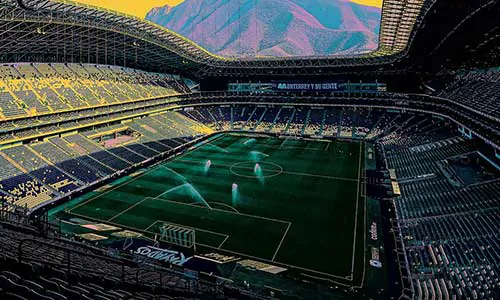
Monterrey Stadium, affectionately known as “El Gigante de Acero,” is one of the most visually breathtaking stadiums in modern sports. Located in Guadalupe, Nuevo León, it sits directly against the dramatic backdrop of the Cerro de la Silla mountain range. Operating with a tournament capacity of 50,113, the stadium is designed with a steep seating arrangement that brings fans closer to the touchlines, creating an incredibly intense and intimate atmosphere.
Guadalajara Stadium (Estadio Akron)
Known for its avant-garde architecture, Guadalajara Stadium is designed to resemble a grass-covered volcano with a floating cloud-like roof. Operating with a tournament capacity of 44,330, the venue is home to C.D. Guadalajara, one of Mexico’s most popular and historic football clubs. It offers spectacular sightlines and modern eco-friendly waste management facilities, representing the beautiful blend of Mexico’s rich soccer culture and future-focused environmental design.
Canada Venues for the FIFA World Cup 2026
Canada welcomes the men’s global showcase to its shores for the very first time. Its two selected venues, located on the East and West coasts, will showcase Canada’s growing soccer community.
Vancouver Stadium (BC Place)
Nestled on the edge of False Creek, Vancouver Stadium is a world-class venue featuring a massive, cable-supported retractable roof. During the tournament, it will accommodate 48,821 spectators. Having hosted the final match of the highly successful 2015 Women’s World Cup, the venue has a proven track record of handling high-stakes international football tournaments. Fans visiting British Columbia will enjoy seamless public transit access and a stunning urban backdrop during the FIFA World Cup 2026.
Toronto Stadium (BMO Field)
Toronto Stadium, located at Exhibition Place, is the most intimate of all sixteen venues, holding a tournament capacity of 45,000. To meet the stringent hosting guidelines of the tournament, the stadium has undergone major temporary seat expansions to increase its original MLS capacity. Home to Toronto FC, this cozy stadium is situated near downtown Toronto, allowing fans to walk directly from the city’s commercial core to the matches, creating an incredibly vibrant matchday experience.
Key Pitch and Technical Innovations
To support the intense schedule, the hosting authorities are rolling out groundbreaking venue innovations. One of the primary technical hurdles of this tournament involves pitch uniformization. Since several selected NFL stadiums currently use artificial turf playing surfaces, FIFA has mandated the installation of temporary natural grass systems. These systems utilize vacuum ventilation and temperature control technologies underneath the turf to keep the grass healthy in enclosed environments.
Additionally, transportation networks are being heavily upgraded. Because the tournament spans three massive nations, organizers have divided the host cities into three geographic regions: West, Central, and East. This regional clustering is designed to minimize travel times for players and fans, consequently reducing carbon emissions and keeping player fatigue to a minimum.
For official ticketing and fan portal registration, you can navigate directly to the official FIFA tournament portal to stay updated on travel packages and match scheduling.
Frequently Asked Questions About the FIFA World Cup 2026 Stadiums
Which stadium will host the final of the FIFA World Cup 2026?
The final match will be hosted at the New York New Jersey Stadium (commonly known as MetLife Stadium) in East Rutherford, New Jersey, on July 19, 2026.
Why are corporate stadium names different for the tournament?
To comply with FIFA’s strict marketing guidelines regarding third-party sponsors, all venues with corporate naming rights are temporarily assigned neutral, city-based tournament names during the competition.
Which stadium has the largest tournament capacity?
Dallas Stadium (AT&T Stadium) features the largest maximum tournament capacity, accommodating over 90,000 spectators for peak matches, followed closely by Mexico City Stadium (Estadio Azteca) and New York New Jersey Stadium.
Which venue will host the official opening match?
The highly anticipated opening match of the tournament will take place at the historic Mexico City Stadium (Estadio Azteca) on June 11, 2026.
How many Canadian stadiums are selected for the tournament?
Two Canadian stadiums have been selected: Toronto Stadium (BMO Field) and Vancouver Stadium (BC Place).
Will all matches be played on natural grass?
Yes, FIFA requires natural grass pitches for all matches. Stadiums that currently use artificial turf will install highly advanced, temporary natural grass systems for the tournament.
Conclusion
As we prepare for the landmark FIFA World Cup 2026, these sixteen spectacular arenas are ready to provide a world-class platform for elite sportsmanship. From the historic heights of Mexico City Stadium to the modern technological marvel of Los Angeles Stadium, each venue brings something unique to the global stage. Understanding the locations, capacities, and clean tournament names will help fans navigate this massive geographic undertaking with ease.
Whether you plan to travel across North America or watch the action unfold from the comfort of your home, this historic tournament promises to deliver unforgettable moments. Be sure to bookmark this guide, coordinate your travel routes early, and register on official platforms to secure your place in soccer history.