FIFA World Cup 2026 Ticket Prices Explained: Categories, Costs & Seating Guide
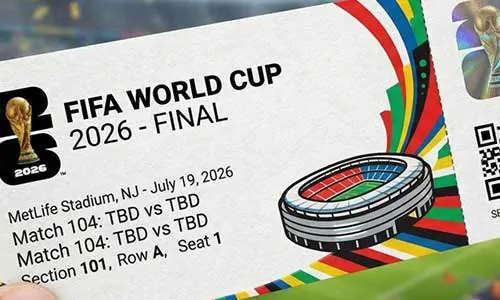
Football fans around the world are eagerly preparing for the biggest sporting event on the planet. The upcoming FIFA World Cup 2026 is set to make history as the first tournament to feature 48 teams, hosted across 16 iconic cities in Canada, Mexico, and the United States. Consequently, securing a ticket has become one of the most talked-about topics in global sports.
Planning to attend a live match in one of the host cities requires a clear understanding of the ticketing framework. Because of the vast scale of the tournament and the inclusion of multiple host countries, the seating arrangements and price brackets are quite unique. Therefore, this guide to the FIFA World Cup 2026 is here to help you navigate the system, understand the cost of each tier, and select the seat that best matches your budget and preferences.
Table of Contents
- What Makes the FIFA World Cup 2026 Ticketing System Unique?
- Understanding the FIFA World Cup 2026 Seating Categories
- Official Pricing Guide for the FIFA World Cup 2026 by Stage
- The Seating Experience and Stadium Maps of the FIFA World Cup 2026
- How Dynamic Pricing and Additional Fees Work
- Practical Tips for Buying Tickets for the FIFA World Cup 2026
- Frequently Asked Questions About the FIFA World Cup 2026
- Conclusion and Final Advice
What Makes the FIFA World Cup 2026 Ticketing System Unique?
Every edition of the tournament brings new structural changes, but the scale of the FIFA World Cup 2026 introduces several unprecedented elements. Firstly, the tournament is shared between three vast nations. As a result, travel, logistics, and pricing models are more complex than in previous events. Additionally, the event features 104 matches instead of the traditional 64, offering more tickets in total but also spreading them across diverse time zones and venues.
Furthermore, ticketing has shifted from a fixed-price model to a dynamic pricing environment. In past years, fans knew exactly what they would pay for a specific match category regardless of demand. On the other hand, the model for the FIFA World Cup 2026, which marks a first in tournament history, allows ticket prices to fluctuate based on real-time market interest, the teams playing, and venue location. Consequently, fans are navigating a market that acts more like an airline ticket marketplace than a standard sporting fixture.
Moreover, the ticketing application window consists of multiple stages, ranging from early lottery draws to general public first-come, first-served phases. Therefore, understanding the rules of each phase is essential for anyone aiming to secure genuine seats. It is also important to note that ticketing is category-based, meaning that when you purchase a ticket during the initial draws, you secure a price level rather than a specific seat number.
Understanding the FIFA World Cup 2026 Seating Categories
To accommodate fans with varying budgets, the ticket products for the FIFA World Cup 2026 are split into distinct pricing classifications. These categories correlate directly with where you will sit inside the stadium and the nature of your view of the pitch. Consequently, knowing what each category represents can help you budget realistically for match days.
Unlike standard club matches where you can pick your seat from an interactive map, FIFA allocates seats based on categories, and the precise seat details are only revealed closer to the event. Therefore, choosing the right category during the application phase is a critical decision. Below is an overview of the four primary classifications available to the general public.
Category 1: Premium Views for the FIFA World Cup 2026
This represents the highest-priced general public tier. These seats are positioned primarily in the lower and middle tiers of the stadium, along the sidelines. As a result, they offer a highly desirable view of the field and are closest to the players’ benches and tunnel.
Because they are the most expensive tickets of the FIFA World Cup 2026, located in premium viewing areas, they are highly sought after by corporate clients and enthusiasts who want an immersive sideline experience. Consequently, demand for these positions remains high despite the premium costs.
Category 2: Mid-Tier Seating
For fans seeking a compromise between price and view, Category 2 represents a solid middle ground. These seats are typically located in the corners of the lower bowl or the central areas of the upper bowl. Therefore, they offer a very balanced perspective of the pitch.
As part of the standard seating options for the FIFA World Cup 2026, Cat 2 seats allow you to observe the tactical flow of the match without paying sideline prices. Additionally, they tend to have a highly energetic atmosphere as they bridge the gap between premium spectators and passionate supporter sections.
Category 3: Value Seating
This category is designed for budget-conscious fans who still want to experience the electric atmosphere of the stadium live. These seats are generally situated in the upper tiers behind the goals or in the high corners of the stadium.
While the distance to the action is greater, this value-oriented tier for the FIFA World Cup 2026 matches makes attending multiple fixtures financially feasible. On the other hand, the viewing angle allows for an excellent tactical overview of the entire pitch, which some fans actually prefer.
Category 4: Resident Entry and Special Tiers
This category is reserved specifically for residents of the FIFA World Cup 2026 host countries (Canada, Mexico, and the United States). Historically, FIFA keeps this category priced significantly lower to ensure local communities can afford to attend matches within their own borders.
In addition to Category 4, there is a newly introduced Supporter Entry Tier available through participating national federations, starting at $60. This tier is designed to assist dedicated, traveling fans of qualified nations in securing affordable access, though it is subject to strict eligibility rules. Consequently, general public buyers from non-host nations are typically excluded from this specific low-cost tier.
Official Pricing Guide for the FIFA World Cup 2026 by Stage
Ticket costs vary dramatically based on the stage of the tournament. For instance, a group-stage match involving neutral teams is priced much lower than a knockout match or a host nation game. Understanding these differences will help you plan your travel and ticket budget realistically.
The face-value prices of the FIFA World Cup 2026 are tier-structured. However, please note that these represent the initial base rates and are subject to dynamic adjustments as demand rises. Additionally, all face-value tickets purchased directly from the official portal are subject to a mandatory 15% booking fee, which must be factored into your overall costs.
| Tournament Stage | Category 1 (USD) | Category 2 (USD) | Category 3 (USD) | Supporter Tier (USD)* |
|---|---|---|---|---|
| Group Stage (Neutral Match) | $700 – $1,200 | $500 – $900 | $120 – $200 | $60 |
| Group Stage (Host Nation Match) | $1,500 – $2,735 | $1,100 – $1,800 | $400 – $700 | $60 |
| Round of 32 | $540 | $440 | $225 | $60 |
| Round of 16 | $640 | $515 | $240 | $60 |
| Quarter-finals | $1,775 | $1,200 | $450 | $60 |
| Semi-finals | $3,295 | $2,350 | $930 | $60 |
| Third Place Match | $800 | $600 | $250 | $60 |
| The Final Match | $6,730 – $7,875 | $4,500 – $5,500 | $1,490 – $2,200 | $60 |
*Note: The Supporter Entry Tier is only distributed through participating national federations to registered, loyal fans and is highly limited. In addition, please expect to pay a 15% booking and administration fee on top of these listed prices.
Therefore, when calculating your budget, you must factor in these variations. A group-stage ticket might be affordable for casual viewers. On the other hand, securing seats for the semi-finals or final requires a significant financial commitment. This discrepancy is primarily driven by the massive global demand for high-stakes matches.
Additionally, host nation matches (featuring the USMNT, Canada, or Mexico) command a massive premium. Because of the patriotic surge and easy domestic travel for fans in those countries, demand is extremely concentrated. Consequently, if you wish to see a host nation play on home soil, expect prices at the higher end of the ranges listed in the table above.
The Seating Experience and Stadium Maps of the FIFA World Cup 2026
Because the tournament is spread across 16 different stadiums in three countries, there is no single, uniform seat map. Each stadium has its own architectural layout, suite arrangement, and tier system. For example, Dallas’s AT&T Stadium features a massive center-hung video board that affects how fans in upper decks experience the game, whereas Mexico City’s historic Estadio Azteca offers a traditional, deep bowl structure.
The layout variation across the 16 host stadiums of the FIFA World Cup 2026 means that a Category 2 seat in one stadium might feel closer to the pitch than a Category 2 seat in another. Typically, stadiums are mapped out with color-coded sections indicating which parts of the stands correspond to Categories 1 through 4. Sidelines are almost universally reserved for Category 1, while corners and end zones are carved up between Category 2 and Category 3.
Additionally, due to modern stadium designs in the US, high-altitude upper decks can be quite far from the playing field. For instance, in venues like MetLife Stadium (New York/New Jersey) or SoFi Stadium (Los Angeles), Category 3 seats in the highest sections offer panoramic views but very little detail of individual player movements. Therefore, if close-up visibility is important to you, upgrading to Category 2 is highly recommended.
In contrast, the lower end zones, which often fall under Category 2 or 3 depending on the match, offer an intensely local supporter experience. This is where the most passionate fan groups are located. Consequently, while you may not get a balanced, sideline view of the tactics, you will experience the drumming, singing, and pure energy of the fan bases firsthand.
How Dynamic Pricing and Additional Fees Work
One of the most significant shifts for this tournament is the introduction of dynamic pricing. Historically, FIFA kept ticket prices static from the day they went on sale until the day of the match. However, the ticketing model for this tournament utilizes real-time pricing adjustments based on market demand, similar to major music concerts and American sports leagues.
This decision has generated considerable debate among traditional football fans. On one hand, dynamic pricing helps ensure that the organizing body, rather than unauthorized ticket scalpers, captures the true market value of the tickets. On the other hand, it means that the cost of popular fixtures can rapidly escalate to levels that make them inaccessible to average families. Therefore, buying your tickets during the early random selection draws, where prices are more stable, is highly advisable.
Additionally, remember to include the extra fees when planning your FIFA World Cup 2026 budget. FIFA applies a standard 15% booking and administration fee to all purchases made through its official portal. For example, if you secure a Category 1 ticket for a quarter-final match at a face value of $1,775, the actual amount charged to your card will be approximately $2,041 after fees. Therefore, budgeting for these service charges prevents unpleasant surprises during checkout.
Practical Tips for Buying Tickets for the FIFA World Cup 2026
Securing tickets for the biggest sporting event in history requires a systematic approach. With millions of fans competing for a limited number of seats, preparation is key. Here are some of the most effective strategies you can use to increase your chances of obtaining legitimate tickets.
- Use the Official Portal First: Always make your first stop the official FIFA Ticket Portal. This is the only place to purchase tickets at face-value prices. Avoid third-party websites during the early sale phases, as secondary markups can be exorbitant.
- Understand Category-Based Booking: Remember that you are buying a category, not a specific seat. If you want to sit with friends, you must submit your ticket applications together in a single group order. FIFA tries to seat group members together, though this is not always guaranteed.
- Utilize the Official Resale Platform: If you missed out on the initial draws, the official resale marketplace for the FIFA World Cup 2026 is your safest alternative. This portal allows fans who can no longer attend to resell their tickets to other fans at face value. Therefore, checking this platform regularly as the tournament approaches is highly recommended.
- Be Mindful of Host City Travel: When buying tickets, consider the vast travel distances between cities like Vancouver, Miami, and Mexico City. Make sure your matches are geographically clustered to avoid spending your entire budget on flights. You can review the official match schedule and host city layouts on the FIFA World Cup 2026 Official Site.
- Check the Secondary Market Safely: If you must use secondary ticketing platforms, choose well-established services that offer consumer protection guarantees and money-back refunds in the event of ticket cancellation.
Furthermore, ensure your payment details are updated and ready on your FIFA ticketing account. When first-come, first-served phases open, seconds can make the difference between securing a seat and missing out entirely. Consequently, having your billing information pre-loaded is a simple but highly effective tactic.
Frequently Asked Questions About the FIFA World Cup 2026
Q1: How much do tickets to the FIFA World Cup 2026 cost?
Prices start as low as $60 for the special Supporter Entry Tier (available via national federations) and around $120 for general Category 3 group matches. On the other hand, premium Category 1 seats for major matches like the semi-finals or the final can range from $3,295 up to over $7,875 due to dynamic pricing and high demand.
Q2: What is the difference between Category 1 and Category 3 tickets?
Category 1 tickets are situated in prime sideline positions, mostly in the lower and middle bowls, offering the clearest and closest views of the pitch. In contrast, Category 3 tickets are located in the upper decks or behind the goals, which are further from the field but offer a broader tactical view at a more affordable price.
Q3: How does FIFA’s dynamic pricing affect ticket costs?
Dynamic pricing adjusts ticket prices in real-time based on supply, team popularity, and venue demand. Therefore, highly anticipated games, such as matches featuring host nations or high-ranking teams, will see ticket prices increase significantly as the tournament draws closer, while less popular matches remain closer to base face value.
Q4: Can I choose my exact seat during the ticket purchase?
No, FIFA uses a category-based ticketing system. When you buy a ticket, you purchase a spot within a specific tier (e.g., Category 2). Your exact seat row and section numbers are determined and assigned closer to the match day.
Q5: Are there any extra fees added to the face value of the tickets?
Yes, all tickets purchased directly through the official FIFA portal are subject to a mandatory 15% booking and administrative fee. Therefore, you must add 15% to the listed face-value price to find your actual total cost.
Q6: How can I buy tickets safely without getting scammed?
The safest method is to buy tickets exclusively through the official FIFA Ticket Portal or the official FIFA Resale Platform. If you decide to use secondary market platforms, ensure they offer a robust money-back guarantee and a high trust rating to protect your purchase.
Conclusion and Final Advice
Attending the world’s most anticipated football tournament is a lifetime dream for many. While ticket prices for the tournament reflect the historic demand and the premium infrastructure of the host nations, careful planning and early action can help you navigate these costs. By understanding the differences between seating categories and budgeting for the additional 15% booking fees, you can avoid common financial pitfalls.
Additionally, keeping a close eye on the official resale platform provides a safe pathway to secure seats if you were unsuccessful in the early lottery draws. Ultimately, with 104 matches played across Canada, Mexico, and the United States, becoming part of the historic FIFA World Cup 2026 is within reach if you stay informed and prepare ahead.
Ready to Secure Your Seats?
Head over to the official FIFA Ticket Portal to check current availability and register for upcoming sales phases!