Football Pitch Maintenance Explained: Natural Grass vs Hybrid Turf
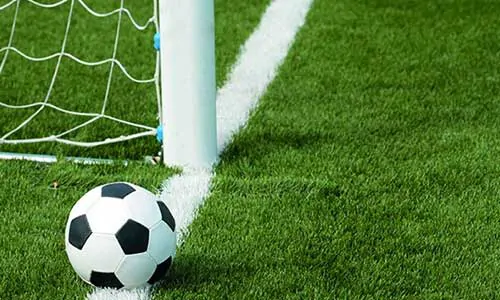
The engineering of modern football pitches is a delicate blend of horticulture, mechanical engineering, and soil science. With the expansion of global football events, stadium managers face the immense challenge of keeping turf playable under extreme weather and heavy match schedules. As preparation intensifies for the FIFA World Cup 2026, the spotlight is shifting to the science of turf management. Elite venues must deliver consistent, safe, and visually stunning playing surfaces. The choice between natural grass and hybrid turf is one of the most critical decisions for groundskeepers. Achieving the strict playing quality guidelines for the FIFA World Cup 2026 requires a comprehensive understanding of both options. Therefore, this guide explores the intricacies of football pitch maintenance, comparing traditional natural grass with modern hybrid turf systems.
Table of Contents
- 1. Elite Pitch Standards: Preparing for the FIFA World Cup 2026
- 2. Understanding Natural Grass Football Pitches
- 3. Natural Grass Challenges for the FIFA World Cup 2026
- 4. Understanding Hybrid Turf: The Modern Solution
- 5. Hybrid Turf Applications in the FIFA World Cup 2026
- 6. Natural Grass vs. Hybrid Turf: Direct Comparison
- 7. Deep Dive into Elite Football Pitch Maintenance
- 8. The Maintenance Protocol for the FIFA World Cup 2026
- 9. Frequently Asked Questions (FAQ)
- 10. Conclusion and Final Insights
Elite Pitch Standards: Preparing for the FIFA World Cup 2026
The upcoming tournament is set to be the largest in history, featuring 48 teams playing across 16 host cities in Canada, Mexico, and the United States. This vast geographical footprint presents an unprecedented challenge for groundskeepers. Climatic zones will range from the humid heat of Miami to the high altitude of Mexico City and the cool, damp conditions of Vancouver. Consequently, the stadiums hosting the FIFA World Cup 2026 must be engineered to provide uniform playing conditions regardless of local weather.
To guarantee fair competition, soccer governing bodies enforce strict guidelines on ball roll, ball rebound, traction, and surface hardness. A pitch that is too hard increases the risk of joint injuries, while a surface that is too soft slows the game down and fatigues athletes quickly. Managing these variables under the intense spotlight of the FIFA World Cup 2026 means that pitch preparation must go far beyond simple lawn mowing and watering. It involves sophisticated monitoring of moisture levels, soil nutrition, and structural integrity.
Understanding Natural Grass Football Pitches
Natural grass remains the traditional choice for football purists. Players generally prefer the organic feel, the predictable way the ball interacts with the blades, and the cool microclimate that living grass provides. However, maintaining this standard requires a deep understanding of botanical science and daily hands-on care.
Selection of Grass Species
Choosing the right grass variety is highly dependent on the climate of the stadium. Warm-season grasses, such as Bermudagrass (Cynodon dactylon), thrive in hot climates because they utilize a C4 photosynthetic pathway, making them highly efficient in water use and heat tolerance. However, they go dormant and turn brown during colder months.
On the other hand, cool-season grasses like Perennial Ryegrass (Lolium perenne) and Kentucky Bluegrass (Poa pratensis) prefer temperate climates. They provide excellent density and rapid recovery, which makes them highly valued for elite venues, including selected turf varieties for the FIFA World Cup 2026 venues. Groundskeepers often blend different varieties to maximize disease resistance and wear tolerance.
Standard Maintenance Routine for Natural Grass
Maintaining natural turf at an elite standard is a continuous, labor-intensive cycle. Groundskeepers cut the grass daily to a precise height, usually between 22mm and 28mm, depending on league specifications. Additionally, deep watering protocols are essential. Instead of frequent shallow watering, which encourages shallow root systems, groundskeepers apply deep, infrequent irrigation to force roots to grow deeper in search of moisture, enhancing structural stability.
Furthermore, mechanical processes like hollow-tine aeration are performed regularly. This process involves extracting small soil cores to relieve compaction, allowing oxygen, water, and nutrients to penetrate deep into the root zone. Frequent scarification is also required to remove thatch—the layer of dead organic matter that can make the surface spongey and slick.
Natural Grass Challenges for the FIFA World Cup 2026
Despite its aesthetic appeal and superior player feedback, pure natural grass has distinct limitations. The primary challenge is its limited durability. High-traffic areas, such as the goalmouths and the assistant referee lines, deteriorate quickly under intense play. For the venues selected for the FIFA World Cup 2026, which will experience multiple matches in rapid succession, pure natural grass presents a significant risk of degradation.
Additionally, natural turf recovery is limited by biology. It takes days for grass to repair torn root systems. If multiple games are scheduled back-to-back, especially during the congested schedule of the FIFA World Cup 2026, the surface can become uneven, muddy, and dangerous, directly impacting the quality of the matches.
Understanding Hybrid Turf: The Modern Solution
To overcome the limitations of natural turf, engineers developed hybrid turf systems. Hybrid turf combines the biological benefits of natural grass with the structural reinforcement of synthetic fibers. This combination creates a surface that is highly durable while retaining the playability and feel of real grass.
Types of Hybrid Systems
There are two primary categories of hybrid turf systems: stitched systems and carpet/tufted systems.
- Stitched Systems: In a stitched system, synthetic fibers (usually polypropylene) are injected vertically into the natural rootzone at a depth of roughly 18 to 20 cm, leaving about 2 cm of fiber visible above the soil. The natural grass roots entwine with these synthetic fibers, securing the plant in place.
- Carpet/Tufted Systems: On the other hand, carpet systems involve laying a pre-manufactured open-weave backing sheet containing synthetic grass fibers over the pitch area. This backing is then filled with a sand-based rootzone mixture, and natural grass seeds are sown into it. As the grass grows, its roots penetrate through the backing, anchoring the entire system to the ground.
Hybrid Turf Applications in the FIFA World Cup 2026
Hybrid grass is particularly attractive for the FIFA World Cup 2026 because of its unmatched stability. Because the synthetic fibers hold the sand and grass roots in place, players are much less likely to tear up large divots during slide tackles or rapid directional changes. Consequently, these technologies will likely dominate the FIFA World Cup 2026 stadiums, particularly in multi-use venues that host concerts or other sports alongside football. The synthetic fibers ensure that even if the living grass suffers temporary damage or light deprivation, the surface remains flat, stable, and completely safe for players.
Natural Grass vs. Hybrid Turf: Direct Comparison
To help turf managers make informed decisions, let us examine the core differences between these two solutions. Below is a structured comparison of their physical properties and operational requirements:
| Feature | Natural Grass | Hybrid Turf |
|---|---|---|
| Durability | Moderate (approx. 5-10 hours/week) | High (approx. 20-30 hours/week) |
| Initial Installation Cost | Lower (approx. $150k – $300k) | Higher (approx. $400k – $800k) |
| Player Safety | Excellent (natural shock absorption) | Excellent (highly consistent foot grip) |
| Maintenance Intensity | High (mowing, feeding, weeding) | Very High (requires special sweeping and grooming) |
| Recovery Time | Slow (requires botanical recovery) | Rapid (synthetic fibers maintain structure) |
While hybrid systems require a significantly higher initial investment, they dramatically reduce the long-term risk of pitch failure. Natural grass remains cost-effective for smaller clubs but struggles under the brutal schedules of modern multi-game tournaments. Additionally, hybrid turf provides predictable performance over several years of continuous use.
Deep Dive into Elite Football Pitch Maintenance
Maintaining a pitch at the highest standard requires more than just mowing and watering; it involves advanced soil engineering and daily data tracking.
Soil and Rootzone Engineering
Modern elite pitches are built on high-spec sand-based rootzones, typically following United States Golf Association (USGA) guidelines. Unlike clay or silt soils, sand does not compact easily and allows water to drain rapidly. This prevents waterlogging even during heavy rainstorms. Underneath the sand, a sophisticated system of gravel and drainage pipes carries excess water away. Additionally, many modern stadiums employ active sub-surface aeration and heating systems. These systems can blow warm air up through the drainage pipes to warm the rootzone during winter, or vacuum excess water away from the surface during heavy rain.
The Maintenance Protocol for the FIFA World Cup 2026
The preparation of pitches leading up to the tournament is incredibly rigorous. Groundskeepers use specialized equipment, such as grow light rigs, to stimulate grass growth in shaded areas of the stadium where natural sunlight is blocked by high stands. To meet the strict standards expected during the FIFA World Cup 2026 matches, groundskeepers must continuously test and measure several key physical metrics:
- Cleat Shear Strength (Traction): Measures the grip the turf provides, ensuring players can accelerate and turn without slipping.
- Ball Roll: The distance a soccer ball travels when rolled from a standardized ramp. FIFA looks for a consistent roll of 4 to 8 meters.
- Ball Rebound: The height a ball bounces when dropped from a specific height, ensuring predictable bounce characteristics.
- Shock Absorption: Measures the impact forces absorbed by the pitch, which is essential during the high-pressure environment of the FIFA World Cup 2026 to protect players’ joints and reduce concussion risks.
Frequently Asked Questions (FAQ)
What are the exact pitch requirements for the FIFA World Cup 2026?
The pitch regulations for the FIFA World Cup 2026 mandate a standard dimension of 105 x 68 meters. The turf must be perfectly level, free of weeds, and offer a uniform color and density. Furthermore, the playing surface must undergo rigorous testing for traction, ball bounce, and water drainage to meet elite international standards.
Why do modern stadiums prefer hybrid turf over 100% natural grass?
Hybrid turf offers up to three times the playability hours of standard natural grass. It prevents deep divots and maintains surface stability under heavy usage, which is essential for tournament venues during the FIFA World Cup 2026 where games are played frequently.
How long does it take to install a hybrid turf pitch?
Installing a stitched hybrid turf system typically takes between 10 to 14 days of continuous machine stitching after the natural grass has established a stable root system. Pre-grown hybrid carpet systems can be installed in a matter of days, making them a rapid solution for urgent renovations.
How does weather affect football pitch maintenance?
Extreme weather can stress natural turf. Cold temperatures slow down growth, while excessive heat can lead to fungal diseases. Groundskeepers use heating systems, grow lights, and advanced drainage networks to mitigate these risks and maintain a stable playing surface.
Is hybrid turf safer for professional players than pure natural grass?
Yes, hybrid turf is often considered safer because it provides a highly uniform surface. Because it resists divots, players are less likely to step into holes or uneven turf, which drastically reduces ankle and knee sprains during rapid turns.
What grass types are best for elite football pitches?
Perennial Ryegrass is highly favored for its exceptional wear tolerance and rapid recovery. Bermudagrass is the preferred choice for warmer climates due to its heat tolerance and drought resistance, making it ideal to withstand the match frequency of the FIFA World Cup 2026.
Conclusion and Final Insights
The evolution of sports turf technology has transformed football pitch maintenance from simple gardening into a highly specialized field of sports science. While pure natural grass remains beloved for its organic feel and traditional aesthetics, hybrid turf has proven to be an indispensable innovation for high-stress sporting environments. Consequently, the success of the FIFA World Cup 2026 depends heavily on these advanced surface technologies. By combining biological engineering with physical stabilization, stadiums can ensure safe, beautiful, and consistent pitches for the world’s greatest athletes.
Whether you manage a local community field or an elite international arena, understanding the balance of soil health, mechanical aeration, and species selection is key to achieving pitch perfection. For more information on professional turf management standards, consider exploring the resources provided by the Sports Turf Research Institute (STRI) or check the FIFA Quality Programme for Football Turf.