What Happens to Players’ Jerseys After Football Matches?
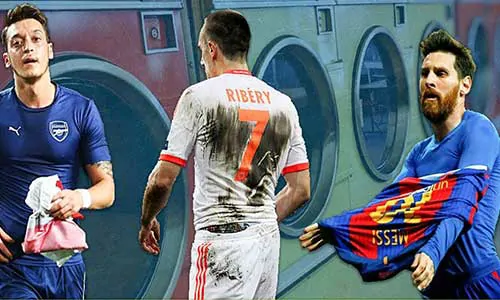
For football fans, the sight of a player pulling off their shirt after a hard-fought match is iconic. Whether they are swapping it with a respected opponent or handing it over to an ecstatic fan in the crowd, these shirts hold immense emotional and historical value. But have you ever wondered what actually happens to players’ jerseys after the final whistle blows? As anticipation builds for the highly anticipated FIFA World Cup 2026, the logistics behind team kits have become more complex than ever before.
Behind the glamour of the pitch lies a meticulous operations system managed by dedicated kit staff. From local league matches to the global stage of the FIFA World Cup 2026, every single shirt undergoes a carefully planned journey. In this comprehensive guide, we will explore the lifecycle of a football jersey, the unsung heroes who manage them, the rules of shirt swapping, and how these pieces of fabric sometimes transform into multi-million dollar pieces of history.
Table of Contents
- 1. The Evolution of Kit Logistics: Preparing for the FIFA World Cup 2026
- 2. Jersey Swapping Traditions and Protocol at the FIFA World Cup 2026
- 3. Where Do the Jerseys Go? 5 Post-Match Scenarios
- 4. Sustainable Innovation and Green Kits for the FIFA World Cup 2026
- 5. The Commercial and Collectible Value of Match-Worn Shirts
- 6. Summary: The Lifecycle of a Football Jersey
- 7. Frequently Asked Questions (FAQ)
- 8. Conclusion: The Legacy of the Match-Worn Shirt
The Evolution of Kit Logistics: Preparing for the FIFA World Cup 2026
To understand what happens to a jersey after a match, we must first look at how they are prepared. Kit managers are the unsung heroes of any professional football club. They ensure that every player has exactly what they need, customized to perfection, long before kickoff. For major tournaments, such as the upcoming FIFA World Cup 2026, this operation expands to an astronomical scale.
Typically, a professional player is allocated at least three jerseys per match. The first jersey is worn during the first half of the game. The second is prepared as a fresh change for the second half, allowing players to stay comfortable and dry. The third jersey serves as an emergency backup. This backup is crucial because of strict governing body regulations regarding tears, damage, or blood stains.
Furthermore, under FIFA Law 4, any player with blood on their kit must immediately leave the pitch to change into a clean, sterile uniform. Consequently, kit managers traveling to the FIFA World Cup 2026 must carry thousands of customized jerseys. These shirts are pre-printed with the match details, including the opposing teams, date, and venue, which adds a unique historical layer to every individual piece.
Jersey Swapping Traditions and Protocol at the FIFA World Cup 2026
One of the most enduring traditions in modern football is the post-match shirt swap. This ritual dates back to 1931 when France and England swapped shirts as a gesture of mutual respect. Today, it remains a symbol of sportsmanship, camaraderie, and mutual admiration between competitors. During the high-stakes matches of the FIFA World Cup 2026, these swaps will undoubtedly capture some of the tournament’s most memorable and human moments.
However, jersey swapping is not always as spontaneous as it looks on television. In many cases, players make arrangements prior to the game, sending messages through teammates or staff to secure a specific opponent’s shirt. When iconic players face off, the competition for their shirts can be almost as intense as the match itself.
Additionally, while pitch-side swaps are common, many players prefer to swap shirts in the privacy of the stadium tunnels. This practice prevents public scrutiny and allows athletes to share private words of encouragement. At a massive tournament like the FIFA World Cup 2026, strict protocols are put in place by team security and organizers to manage these interactions smoothly and prevent crowd disruptions.
Where Do the Jerseys Go? 5 Post-Match Scenarios
Once the final whistle blows and players head to the dressing rooms, the physical journey of the match jersey truly begins. Depending on the level of the competition, the profile of the player, and the financial status of the club, a match-worn jersey will typically follow one of five distinct paths:
1. Kept by the Player for Private Collections
Many professional footballers are avid collectors themselves. They frequently keep their own debut shirts, milestone match kits, and swapped jerseys from respected opponents. Over a career, these items form a highly personal and priceless archive. Superstars often dedicate entire rooms in their homes to display these framed historical shirts, serving as a testament to their journey through the sport.
2. Gifted to Fans in the Stands
For a dedicated supporter, receiving a match-worn shirt directly from a player is a dream come more than true. Players often walk toward the stands after a hard-earned victory to hand over their sweaty, grass-stained shirts to passionate fans. While this gesture creates a lifelong bond between the player and the community, clubs occasionally have to regulate it to ensure player safety and avoid security rushes near the pitch barriers.
3. Auctioned for Charitable Causes
In recent years, the trend of auctioning match-worn shirts for charity has grown exponentially. Platforms like MatchWornShirt collaborate directly with professional clubs to facilitate this process. Interestingly, these jerseys are often sold unwashed. Leaving the mud, sweat, and grass stains intact preserves the physical authenticity of the match, significantly driving up the value for international collectors.
4. Sent to the Team Laundry for Reuse
While elite clubs and national teams preparing for the FIFA World Cup 2026 can afford fresh kits for every single match, lower-league clubs operate under much tighter budget constraints. In smaller leagues, jerseys are gathered immediately after the game, thoroughly washed by the kit staff, and hung up to dry. They are reused repeatedly throughout the season until they are worn down or damaged beyond repair.
5. Archived in Club and National Museums
When a match holds historical significance, such as a cup final or a historic qualifier for the FIFA World Cup 2026, select jerseys are immediately set aside. These shirts bypass the laundry and the players’ bags, heading straight into club archives or national football museums. Here, they are preserved under climate-controlled conditions to protect the fabric and print from aging, allowing future generations of fans to appreciate them.
Sustainable Innovation and Green Kits for the FIFA World Cup 2026
As global awareness of environmental issues continues to rise, the football manufacturing industry is undergoing a massive shift toward sustainability. Major sportswear brands are investing heavily in eco-friendly technologies to minimize the carbon footprint of production. The upcoming FIFA World Cup 2026 is set to be a major showcase for these green innovations, with participating teams sporting highly advanced, sustainable kits.
Most modern football shirts are now manufactured using high-performance polyester made from recycled plastic bottles. This process not only diverts plastic waste from oceans and landfills but also consumes significantly less energy and water during production compared to virgin polyester.
Sustainable Innovation and Green Kits for the FIFA World Cup 2026
To ensure high performance without compromising the planet, sports brands are designing circular product lifecycles. At the FIFA World Cup 2026, we expect to see kits designed with easily recyclable materials. When these tournament shirts reach the end of their usable life, they can be chemically broken down and spun into fresh yarn for new athletic wear, moving closer to a zero-waste future in sports apparel.
The Commercial and Collectible Value of Match-Worn Shirts
The market for authentic football memorabilia has experienced unprecedented growth over the last decade. Match-worn jerseys have transitioned from simple sports souvenirs into highly sought-after alternative assets. Collectors and investors worldwide are willing to pay premium prices to own a tangible piece of footballing history.
The value of a shirt is determined by several critical factors, which include:
- Player Significance: Shirts worn by legendary players like Lionel Messi, Cristiano Ronaldo, or Pelé command the highest prices.
- Match Context: A shirt worn in a standard league match is valuable, but one worn in a high-stakes tournament like the FIFA World Cup 2026 can fetch millions at auction.
- Provenance and Authentication: Documented proof of authenticity, such as official club certificates, photo-matching technology, and direct sources, is vital to establishing value.
For context, Diego Maradona’s iconic “Hand of God” shirt from the 1986 World Cup sold for an astonishing $9.3 million at Sotheby’s. This historic sale proved that these garments are no longer just pieces of sportswear; they are cultural treasures of global historical significance.
Summary: The Lifecycle of a Football Jersey
To easily visualize how shirts are managed across different tiers of the sport, the table below highlights the differences between local leagues and elite international tournaments:
| Aspect | Lower-Tier / Local Clubs | Elite Clubs & FIFA World Cup 2026 Teams |
|---|---|---|
| Jerseys per Player | 1 to 2 per season | 3 to 4 per match (minimum) |
| Post-Match Treatment | Washed, dried, and reused next week | Swapped, gifted, archived, or auctioned |
| Customization Details | Standard squad numbers and names | Unique match-day prints, flags, and dates |
Frequently Asked Questions (FAQ)
Q1: Do players have to pay for the jerseys they swap?
At elite levels and national teams playing in the FIFA World Cup 2026, players do not pay out of pocket for swapped jerseys. However, some lower-tier clubs deduct a small fee from a player’s wages if they give away too many shirts, as their seasonal budgets are highly restricted.
Q2: How many backup jerseys are prepared for a single match?
Kit managers typically prepare at least three identical shirts for each player per match. For crucial fixtures and tournaments like the FIFA World Cup 2026, they carry extra blank kits and printing machinery to customize fresh jerseys on-site in case of emergencies.
Q3: Are match-worn shirts washed before they are auctioned?
Surprisingly, no. Many high-end charity auctions sell match-worn shirts completely unwashed. Keeping the grass stains, mud, sweat, and scent intact serves as definitive physical proof of use, which significantly increases the collectible value for enthusiasts.
Q4: What happens to damaged or torn shirts during a game?
If a jersey is heavily torn or stained with blood, the referee will order the player to change immediately. The damaged shirt is collected by the kit manager and is usually discarded, recycled, or kept in the club’s private technical archives for product quality analysis.
Q5: How will sustainability affect jerseys at the FIFA World Cup 2026?
The FIFA World Cup 2026 will heavily emphasize green initiatives. Major sports manufacturers are producing national team kits from 100% recycled polyester, utilizing low-impact dyeing methods and circular design models to reduce waste and carbon emissions.
Q6: Can fans request a player’s jersey before the match?
Yes, fans frequently bring creative signs to stadiums requesting shirts. While players do their best to accommodate these requests, security protocols and pre-arranged team swap commitments mean only a lucky few fans will take home a match-worn jersey.
Conclusion: The Legacy of the Match-Worn Shirt
In conclusion, a football jersey is far more than just a piece of athletic wear. It is a canvas of athletic struggle, a symbol of mutual respect between rivals, and a highly prized relic for fans and collectors around the world. From the strict logistics of national kit managers to the green innovations we will witness at the FIFA World Cup 2026, the journey of a shirt after the referee blows the final whistle is truly fascinating.
As we get closer to the kickoff of the next global tournament, keep an eye on the post-match rituals. The next shirt swapped on the pitch might just become a multi-million dollar piece of sports history tomorrow.
What is your favorite football jersey of all time?
Would you prefer to keep a swapped shirt from a rival player, or would you bid on an unwashed match-worn shirt at a charity auction? Let us know your thoughts in the comments section below, and share this article with your fellow football fans!